Partnering With Parents: Adaptive Swim Communication Guide

One of the frequent concerns we hear from swim instructors isn’t how to teach adaptive swimmers, it’s how to talk with their parents or caregivers. As more instructors provide adaptive swim lessons, knowing how to communicate with families and care providers to understand each swimmer’s unique needs has become an essential skill.
Swim instructors are increasingly working with swimmers who have autism, ADHD, anxiety, sensory processing differences, developmental delays, and physical disabilities. While instructors are trained to teach swim skills and progress swimmers through benchmarks, many swimmers need more than skill instruction to be successful in the water.
Anxiety, fear, sensory needs, communication differences, transition challenges, or difficulty with attention and regulation can all impact a swimmer’s ability to participate. Understanding each swimmer’s unique needs, strengths, and learning style is essential—and the best way to gain that insight is through conversation and collaboration with the people who know them best: their parents.
The challenge is that most swim instructors are not taught how to have these conversations. You may worry about asking the wrong question, saying something insensitive, or overstepping.
The good news? These conversations don’t have to feel uncomfortable. Parents and caregivers want to be included, and they appreciate instructors who take the time to understand their child.
In this guide, we’ll share practical tips and conversation starters to help you confidently connect with parents, ask the right questions, and create more successful lessons for your adaptive swimmers.
Parents Are Your Greatest Partner
Many instructors worry about asking the wrong question, saying something insensitive, or making parents feel uncomfortable. As a result, they may only rely on the information provided in the swimmer’s intake form.
While intake forms are an important starting point, they rarely tell the whole story.
Parents have spent years learning about their child. They understand how their child communicates, what motivates them, what causes frustration, and what strategies help them feel successful.
When we partner with families, we gain the information we need to create more successful lessons. We also have the opportunity to help parents discover new possibilities for their child in the water, creating meaningful moments of progress and confidence they may not have expected.
It’s a win-win for everyone, especially the swimmer.
Why Communication Matters: A Parent’s Perspective
Everything we’ve discussed so far comes down to one thing: partnership. Before we dive into specific questions you can ask, hear from a Swim Angelfish parent whose son has been swimming with us for more than 16 years. As the mom of a swimmer on the autism spectrum who now competes on a swim team, she shares why consistent communication from instructors has been one of the most valuable parts of their journey.
How to Ask the Right Questions (Without Overstepping)
Many instructors worry about asking questions that feel too personal or intrusive.
The goal is to understand what will help that swimmer feel safe, comfortable, and successful in the water.
The best questions focus on the child in front of you: how they communicate, how they learn, what motivates them, and what support helps them participate.
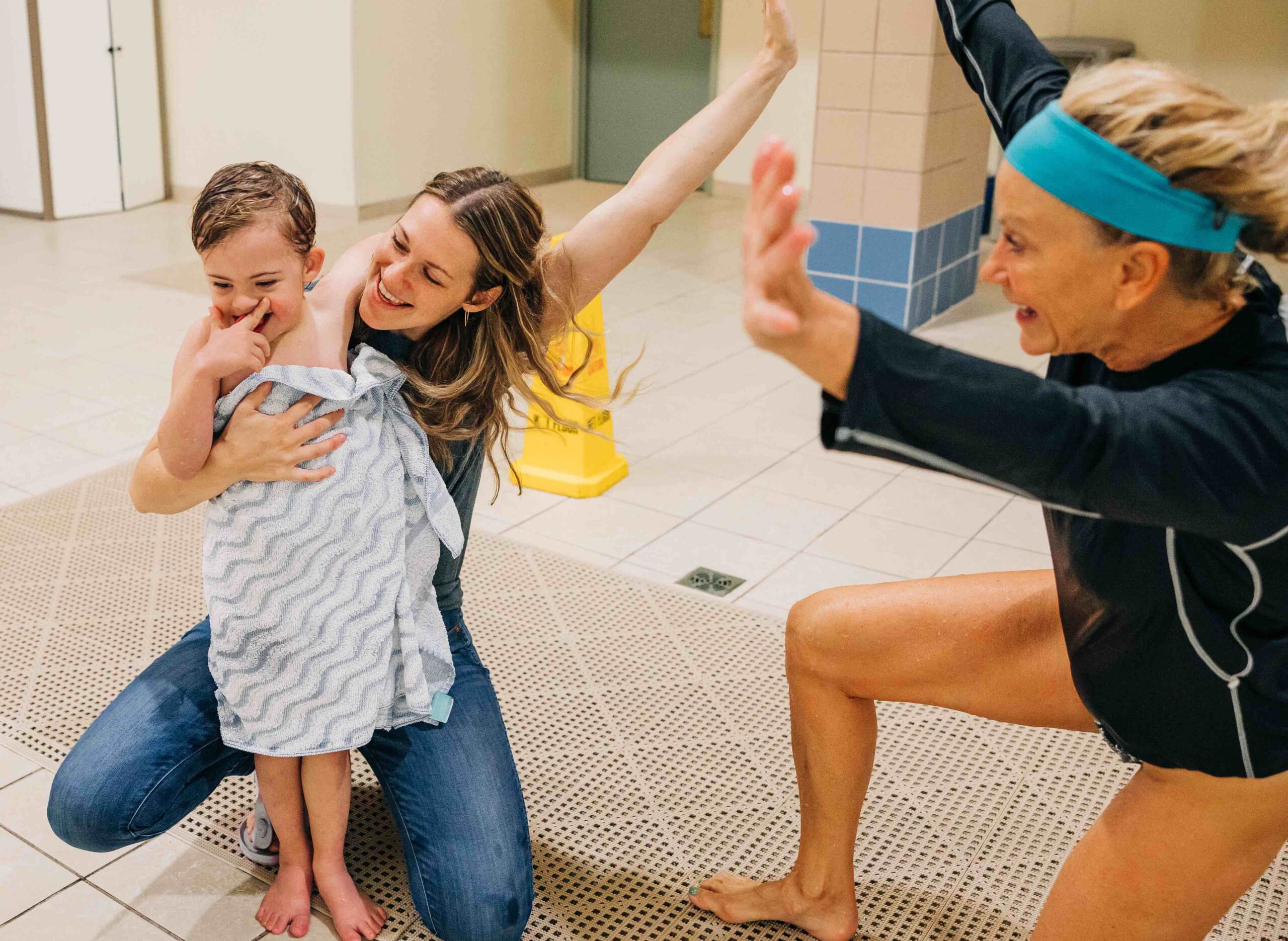
Remember, parents are used to advocating for their child. When you approach these conversations with genuine curiosity and a desire to help their child succeed, most parents will appreciate the opportunity to share what they know.
Try asking open-ended questions like:
Focus on Strengths, Not Just Challenges
When preparing to teach an adaptive swimmer, it is natural to focus on what might be difficult.
However, starting with strengths can change the entire conversation.
Ask parents:
Understanding a swimmer’s interests and strengths gives you valuable tools for motivation and engagement during lessons.
A child who loves music may respond well to songs or rhythm. A child who loves movement may benefit from active games. A child who enjoys routines may thrive with a predictable lesson structure.
The more you understand the swimmer, the more effectively you can teach them.
Be Prepared Before the First Lesson
The best adaptive swim lessons begin before the swimmer gets in the water.
If possible, schedule an intake conversation with the family before the first lesson. This allows you to learn about the swimmer, answer questions, and prepare strategies that will help create a successful first experience.
At Swim Angelfish, we use the TEACH ME framework as a guide to help instructors remember important topics to discuss with families.
Think of this as a conversation guide—not a checklist. The goal is to learn about the swimmer and build a relationship with the family.
The TEACH ME Framework
T – Toilet Trained
Ask about toileting needs and whether any additional support is needed during lessons. This gives you the opportunity to recommend the brand of reusable swim diapers you feel is best to use. We love the splash about brand and they come in all sizes toddler to adult.
E – Experience in the Water
Learn about previous experiences with water and swimming. Ask:
- Has your child had swim lessons before?
- What do they enjoy about the water?
- Are there things they avoid or find challenging?
A – Adaptations or Modifications
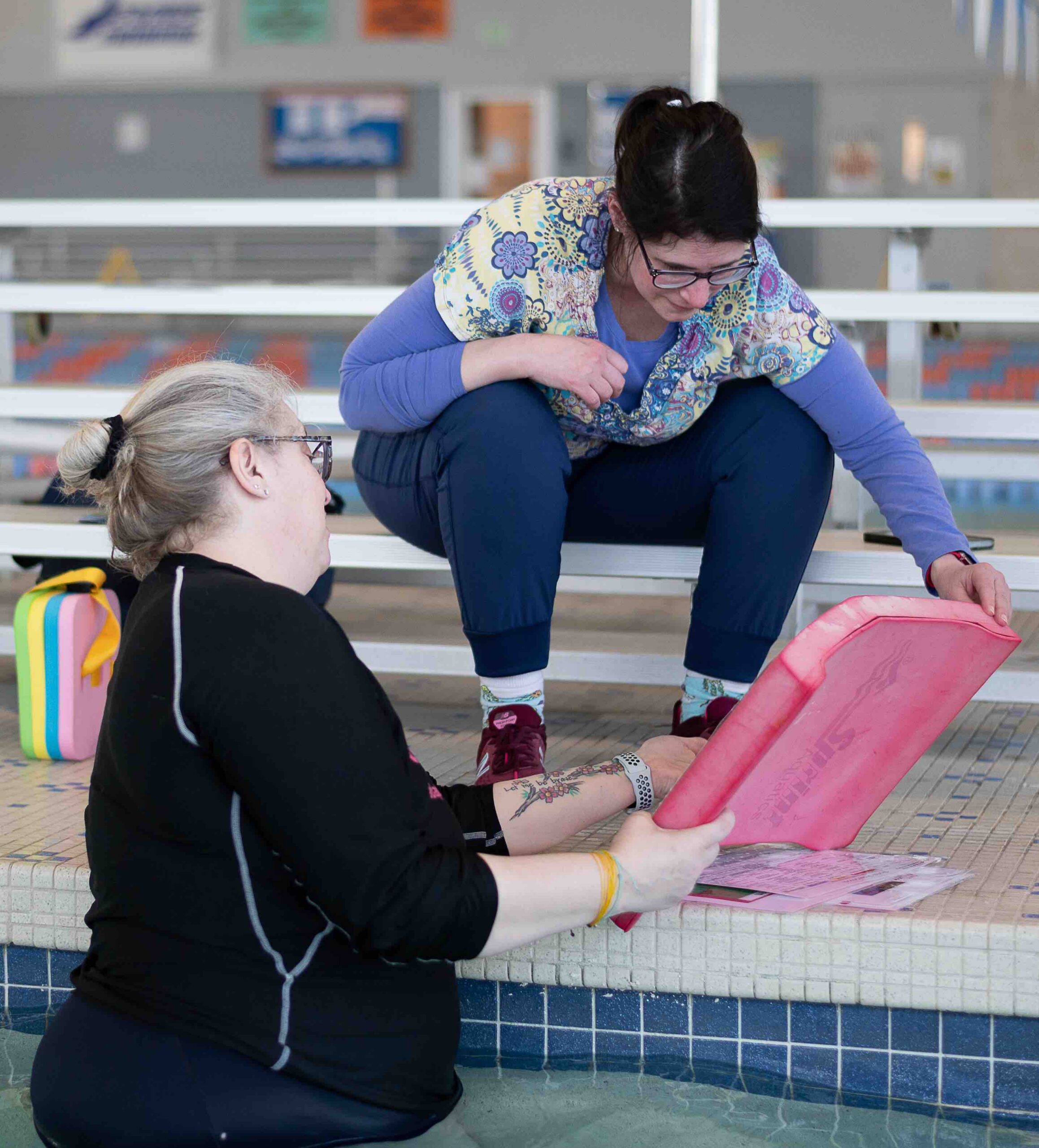
Ask what supports help their child learn and participate.
This might include:
- Visual supports
- Modified instructions
- Additional processing time
- Sensory strategies
- Specific equipment or adaptations
C – Communication Preferences
Every swimmer communicates differently.
Ask:
- How does your child communicate?
- Do they use spoken language, gestures, sign language, or AAC?
- Are there specific words, visuals, or strategies that work best?
H – Help Entering and Exiting the Pool
Transitions can be challenging for many swimmers.
Ask:
- Does your child need support getting into or out of the pool?
- Are there strategies that make transitions easier?
- How can we make entering or exiting the pool more successful?
M – Medical Information
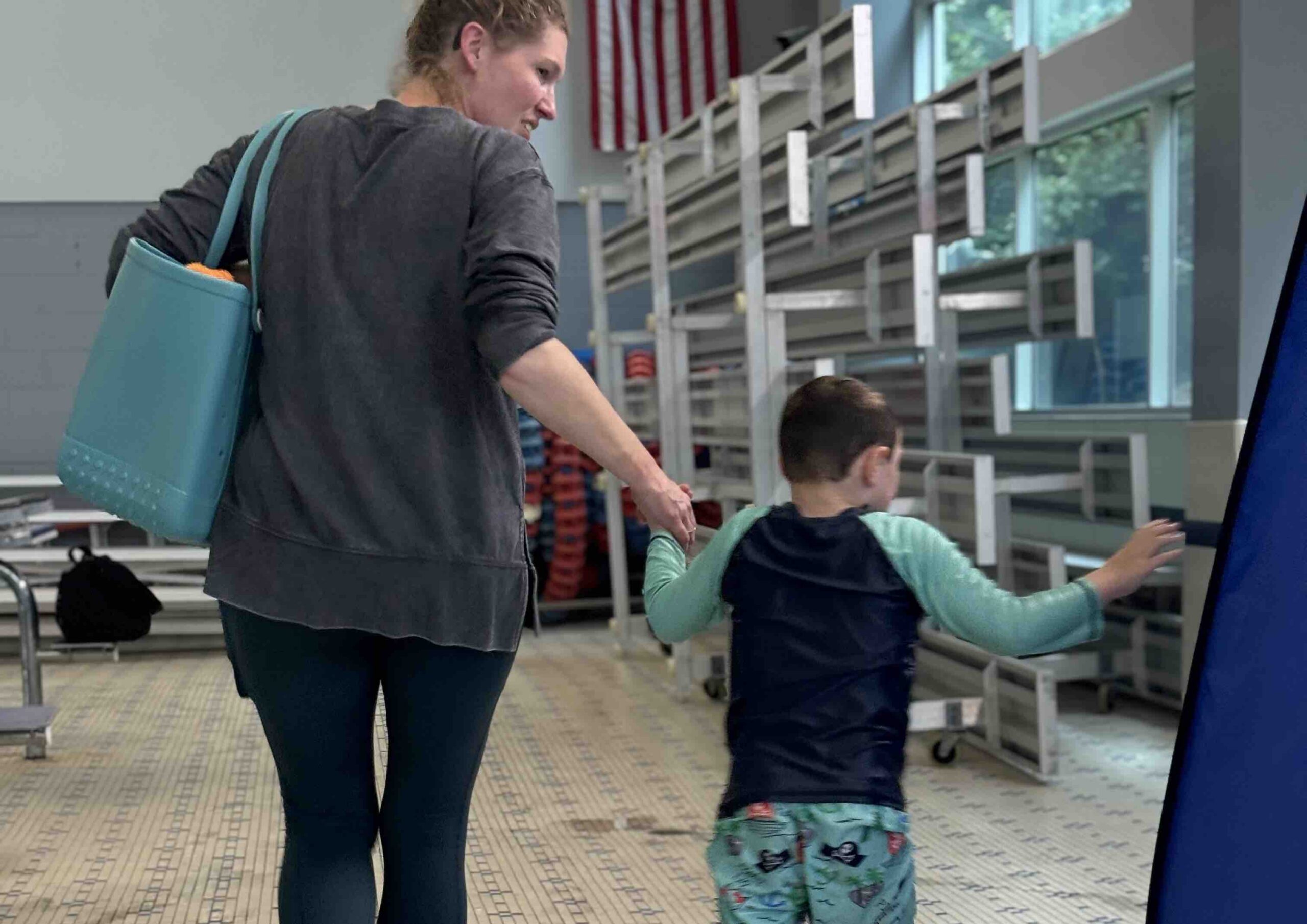
Understand any medical information that may impact safety or instruction.
This may include:
- Mobility considerations
- Seizure information
- Health concerns
- Safety considerations
E – Expectations of the Parents
One of the most important questions you can ask is:
“What are your goals for your child in swim lessons?”
Families may have different priorities. Some may want water safety skills, independence, confidence, comfort in the water, or progress toward specific swim skills.
Understanding their goals helps you create meaningful lessons.
Keep the Conversation Going
Communication with parents should not end after the first lesson.
Take a few minutes before or after lessons to share observations and invite feedback.
You might say:
- “Today I noticed your child responded really well when we used visual cues.”
- “They seemed more comfortable when we slowed down the transition into the water.”
- “I’d like to continue building on the skills they practiced today.”
Then ask:
- “Did that approach work well at home?”
- “Is there anything you’ve noticed that might help us next time?”
These small conversations build trust and create a true partnership.
Every Swimmer Is Different
There is no single approach that works for every swimmer with autism, sensory needs, developmental differences, or physical disabilities.
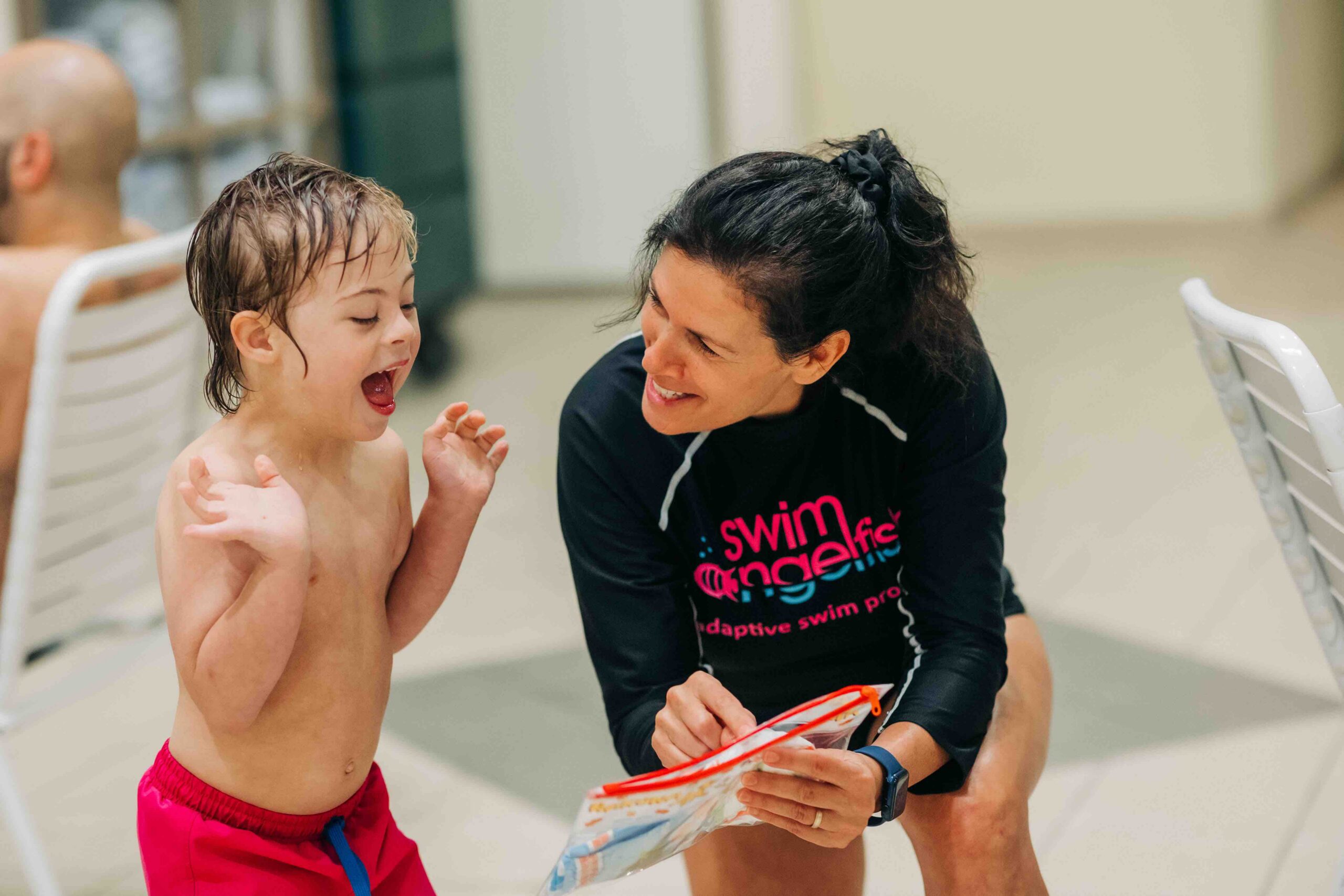
The most successful adaptive swim instructors are not those who know every answer before the lesson begins. They are the instructors who are willing to ask questions, listen, and learn from the people who know the swimmer best.
When parents teach you about their child, you become better prepared to teach their child how to swim.
Together, instructors and families can help adaptive swimmers become safer, more confident, and more independent in the water.
Want to learn more strategies for teaching swimmers with special needs? Explore Swim Angelfish professional training courses to gain practical tools for creating successful adaptive swim lessons.