Teaching Backstroke: Adaptive Strategies for Blind and Low-Vision Swimmers
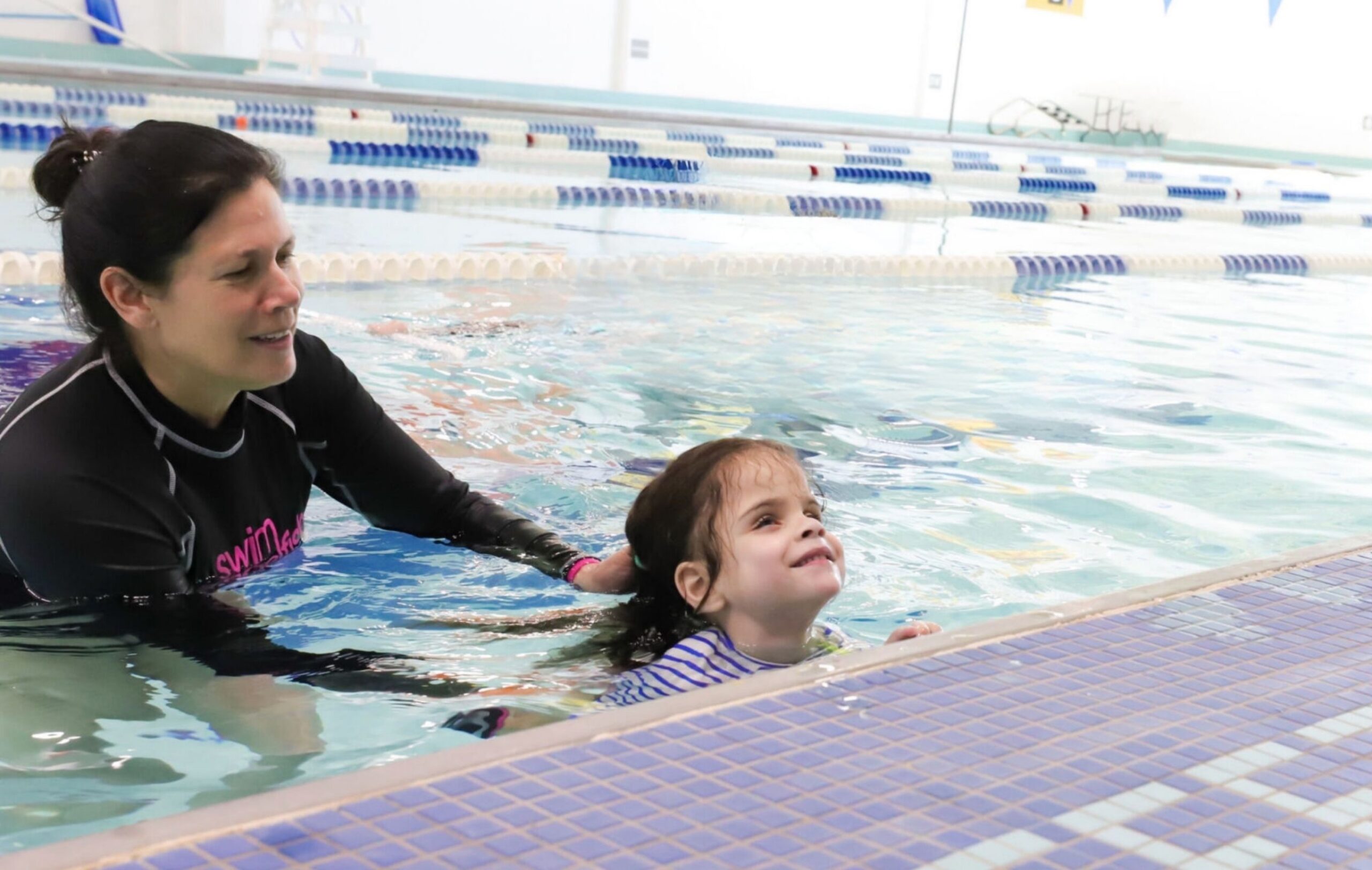
How do you safely teach a swimmer who can’t see your demonstration from the deck? What’s the safest way to help a blind swimmer navigate the length of the pool without hitting the wall? How do you build trust and coach effectively with a swimmer who has low or no vision?
These are questions many swim instructors face when teaching blind or low-vision swimmers – and they’re exactly why adaptive swimming strategies matter.
At Swim Angelfish, we’ve seen firsthand how adaptive instruction can open up the pool to swimmers of all abilities. One adult swimmer who is blind reached out for help with his backstroke. From afar, our video tips and strategies helped him swim longer distances, build confidence, and achieve his fitness goals.
Vision challenges affect millions of families across the United States, and stories like this remind us that with thoughtful instruction and adaptive strategies, swimming can be accessible and empowering for swimmers of all abilities and ages.
Understanding The Needs of Blind or Low Vision Swimmers
Vision loss affects millions of families across the United States.
According to the 2023 American Community Survey, about 8.7 million people live with vision difficulty, including roughly 600,000 children under 18 (0.8%). Among children, around 6.8% have a diagnosed eye or vision condition, and nearly 3% experience blindness or significant vision impairment. It’s one of the most prevalent disabling conditions among children according to the CDC.
As you can imagine, learning to swim without relying on sight comes with unique challenges. Navigating the pool, staying safe around equipment and other swimmers, and following verbal instructions all require swimmers to experience the environment in new ways – which can feel overwhelming without proper guidance and support.
Teaching swimmers who are blind or have low vision is all about meeting them where they are, earning their trust, and giving guidance that’s clear and confident.
When instructors ask the right questions, adjust their approach, and really tune in, magic happens: swimmers gain confidence, improve their strokes, and discover they can reach goals they never thought possible.
Case Study: Helping a Blind Swimmer Reach His Goals
A few years ago, an adult swimmer who is blind reached out to us hoping to improve his backstroke and simply enjoy swimming more. Despite living far from our swim schools, he wanted guidance he could put into practice on his own.
In response, we created a video specifically addressing his questions. With patience, practice, and the tips we provided, he gradually gained confidence in his backstroke, swam longer distances, and we helped him achieve his personal fitness milestones.
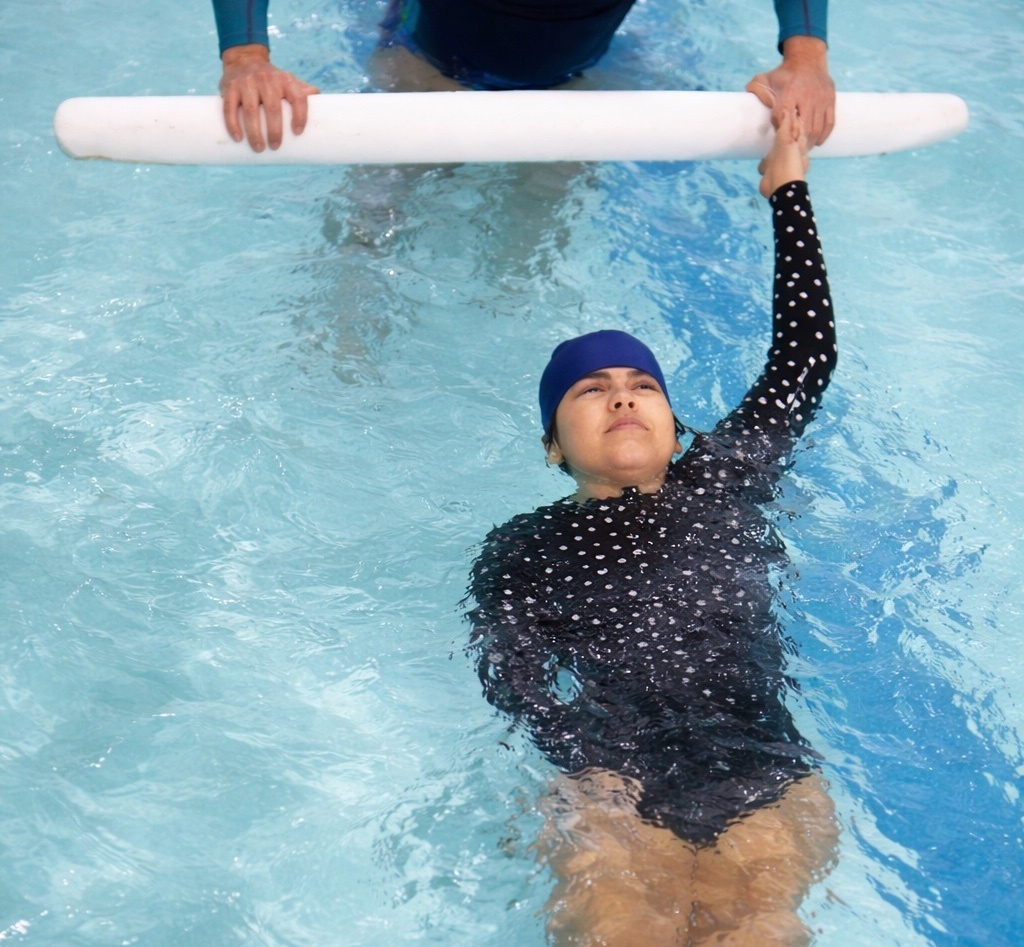
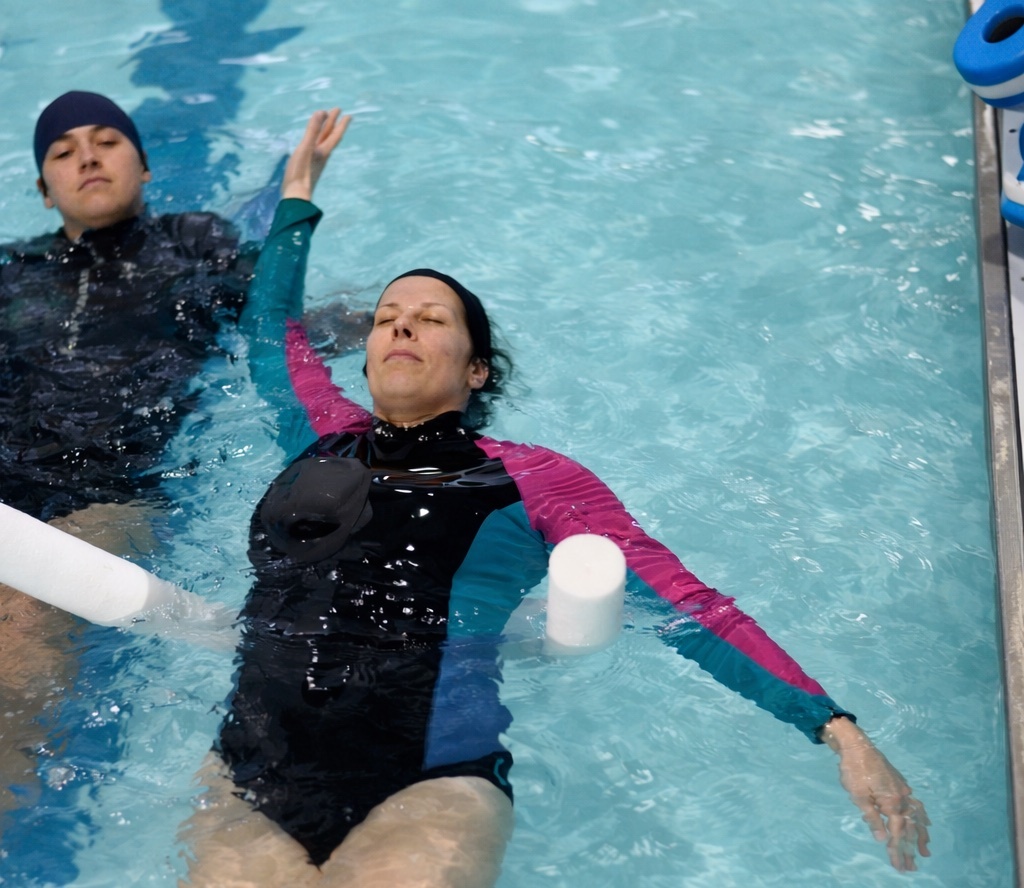
Just small changes in instruction, like explaining a movement verbally, offering a tactile prompt, or practicing arm range and chin tuck with supportive equipment like a noodle, can make a huge difference. These adjustments don’t just improve technique—they make swimming more enjoyable, empowering, and accessible for every swimmer.
What makes this story really special is the connection that grew from it. Even though we’ve never met in person, he continues to correspond with us, sharing feedback and insights to help the blind swimming community—and through this ongoing correspondence, we’ve learned so much from him. That friendship is a reminder that the impact of thoughtful instruction can extend far beyond the pool.
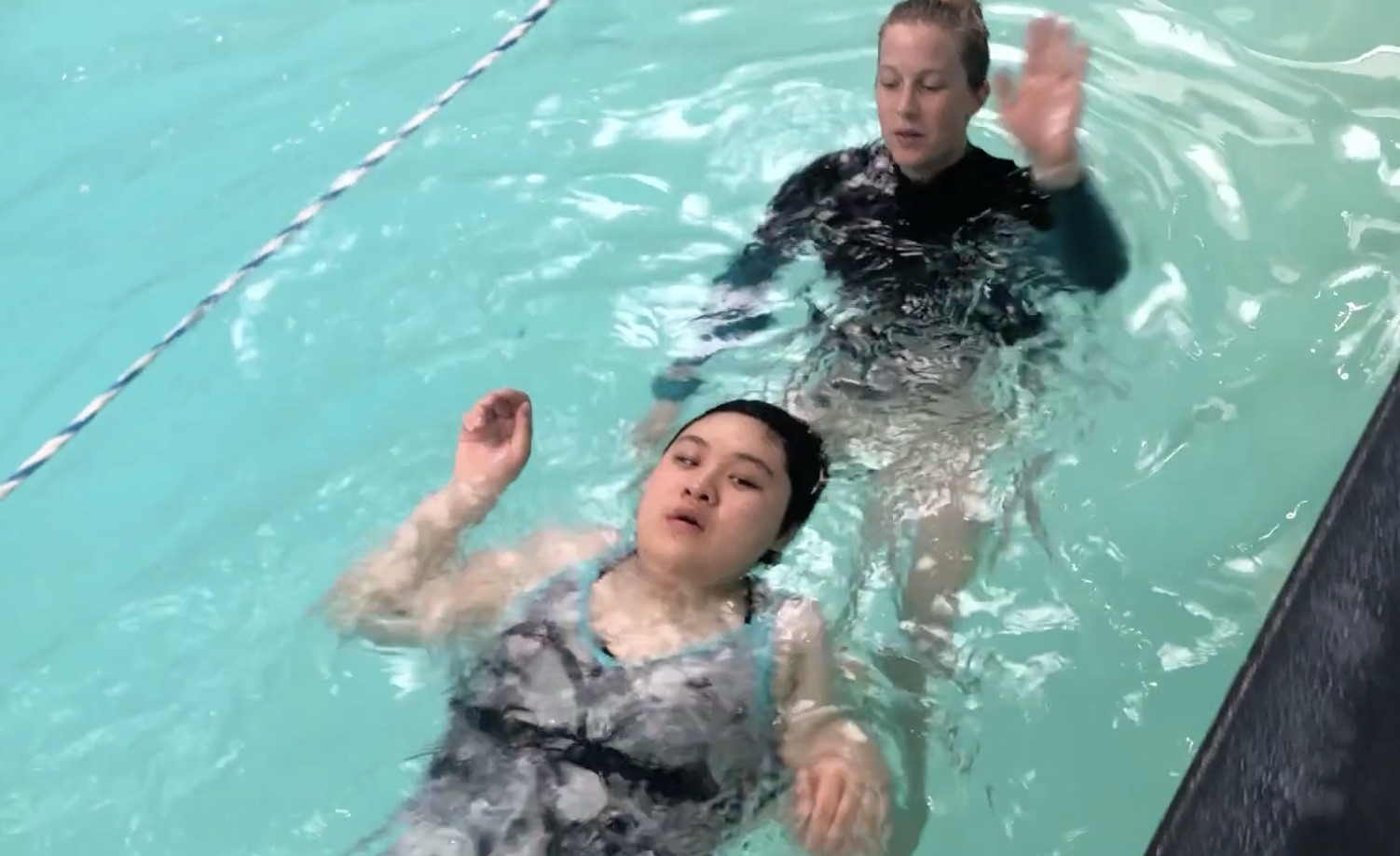
We love hearing from our community and knowing that the guidance we share can make a real difference—even for swimmers who can’t jump in the pool with us in person.
Common Challenges for Visually Impaired Swimmers
Here are some of the most common challenges instructors may encounter:
The Swim Instructor’s Role in Teaching Blind Swimmers
How do you build trust quickly when a swimmer is entering an unfamiliar aquatic environment? Here are some important points for instructors to consider:
Backstroke Tips for Blind or Low Vision Swimmers
Teaching backstroke to a swimmer who is blind or has low vision requires a shift in how we think about instruction.
Without visual demonstrations, we rely on tactile feedback, precise verbal cues, and intentional orientation strategies to build confidence and skill. Safety, body awareness, and clear communication become the foundation of every drill.
So, how do you teach backstroke when visual demonstrations aren’t possible?
Watch this video where we share adaptive backstroke strategies that work for swimmers with low vision or blindness.
How to Teach Backstroke to a Blind or Low Vision Swimmer

General Adaptive Swimming Tips for Blind or Low Vision Swimmers
How Swim Instructors Can Learn More
Want to feel confident teaching swimmers who are blind or have low vision? Our Swim Whisperers® Certification provides the tools, techniques, and guidance you need.
Through this training, instructors learn:
- How to ask the right questions to gather information and understand a swimmer’s needs
- How to communicate effectively without relying on sight
- How to create safe, engaging, and inclusive lessons for all abilities
It’s about more than teaching—it’s about giving every swimmer the chance to reach their goals.