Occupational Therapy in the Water: Benefits of Aquatic Therapy for Children
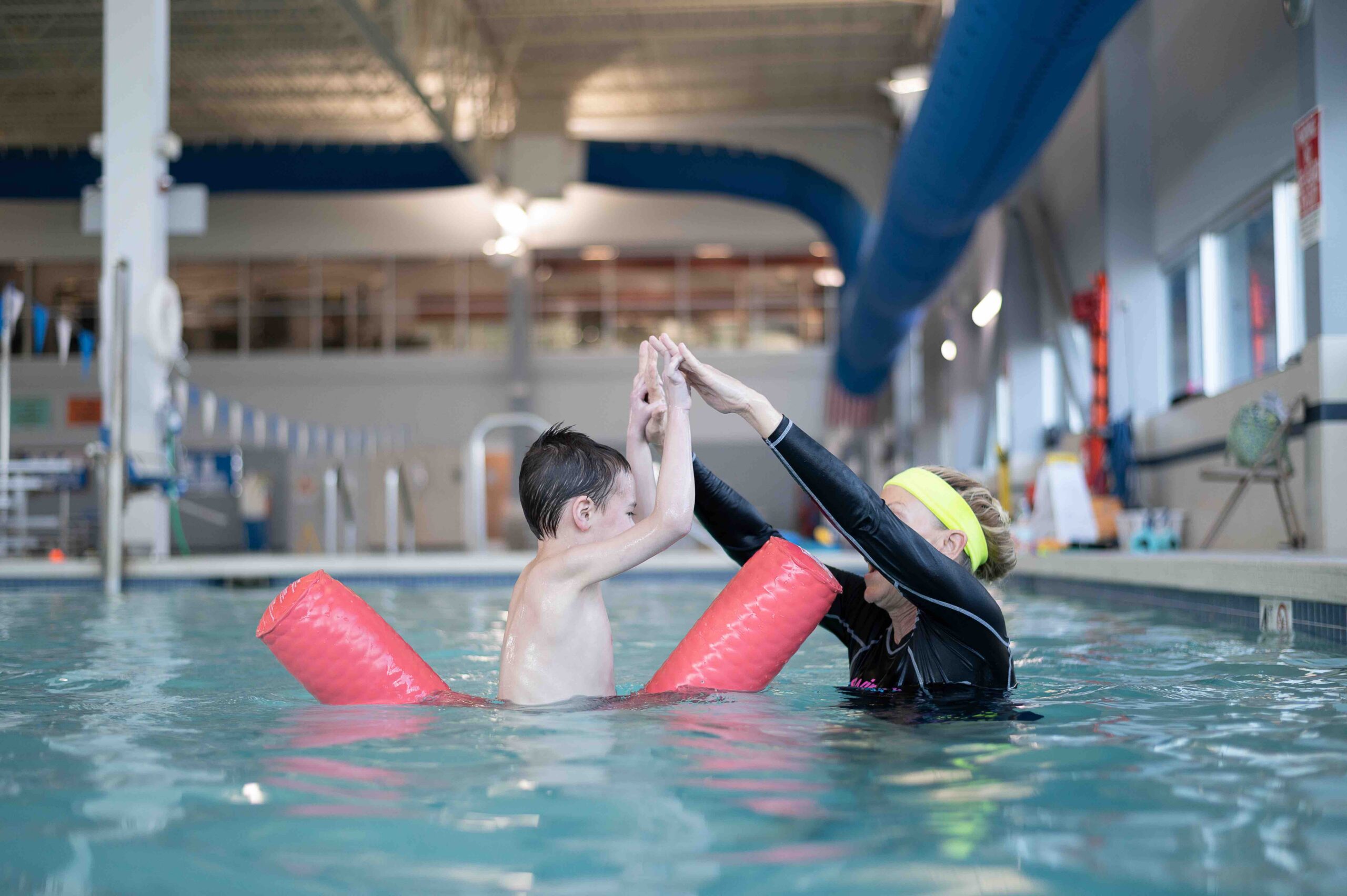
Did you know that Occupational Therapy doesn’t have to happen just on land? Bringing OT into the water opens up a whole new way to support functional movement, sensory integration, and independence for children and adults.
The water provides a gravity-eliminated environment where everyday movements can be practiced. Such as reaching, rotating, and coordinating movements which can be generalized to activities of daily living. This might help with getting dressed, being able to sit in chairs, play with toys and take off backpacks.
In this guide, we’ll explore the benefits of aquatic Occupational Therapy, how it enhances functional independence, and highlights practical ways both families and therapists can get involved.
Whether you’re a parent seeking new ways to support your child, or a professional looking to expand your aquatic therapy toolkit, we will show you how the aquatic environment can support traditional Occupational Therapy goals.
What is Aquatic Occupational Therapy?
Occupational Therapy (OT) helps children develop the skills they need to participate in everyday activities, from dressing and feeding themselves to playing, learning, and moving safely. When you offer OT using an aquatic environment, these same goals can be achieved in a supportive and engaging way.
Aquatic Occupational Therapy uses the unique properties of water—buoyancy, viscocity and turbulence—to make movement easier and more purposeful. This environment allows individuals with special needs to practice functional skills, like reaching, transferring, grasping, or balancing, while improving body awareness.
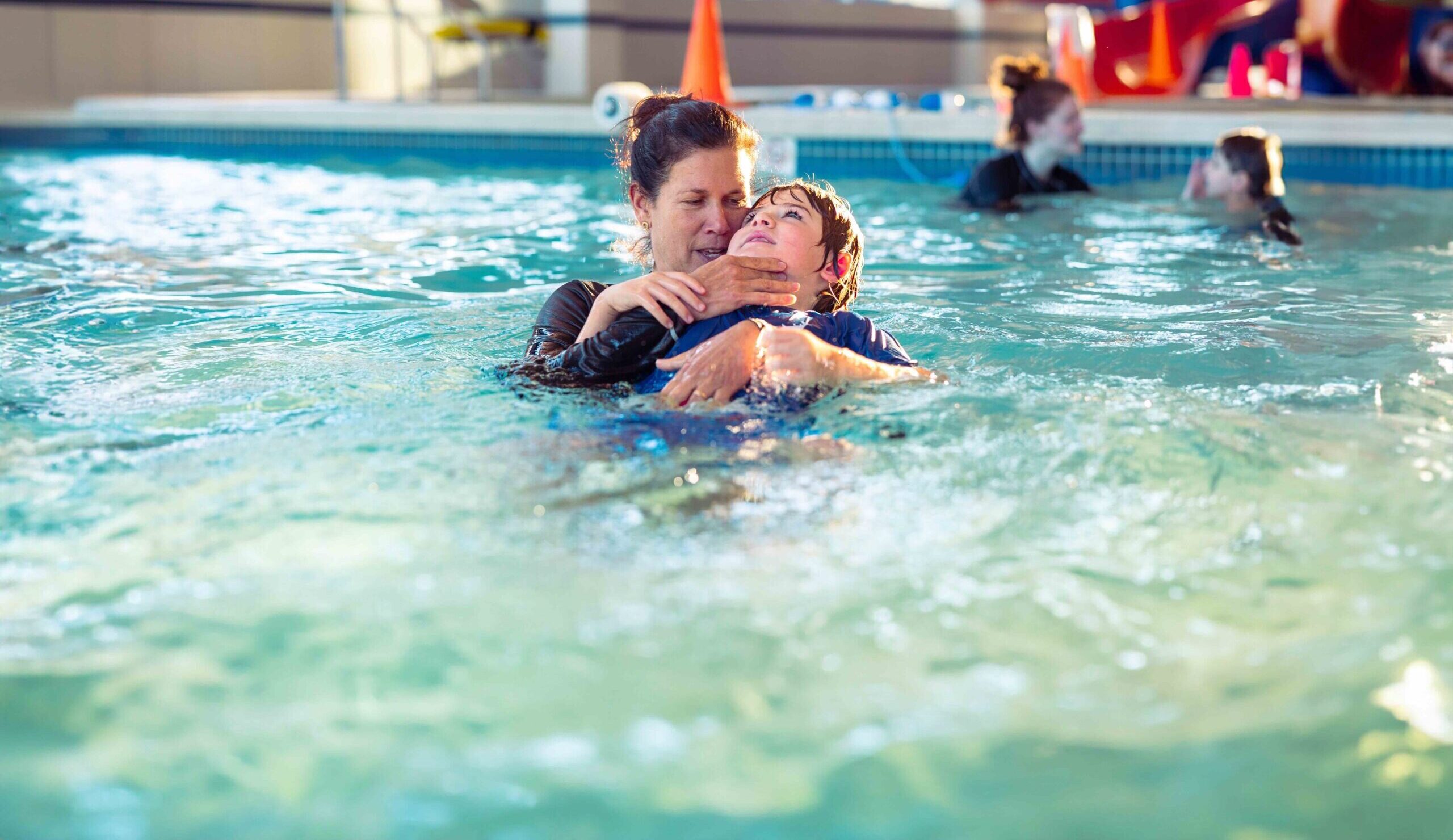
Children with developmental delays, sensory processing differences, autism, or mobility challenges can benefit from aquatic OT. The water provides a motivating space to perform movements that might be harder on land, while also building strength, coordination, endurance, and motor planning.
In addition to physical benefits, aquatic OT supports cognitive and sensory development, using the unique properties of water to create a space that is both stimulating and calming.
This environment helps the brain adapt and learn, reduces stress, and improves everyday movement skills.
How Aquatic OT Supports Activities of Daily Living
Aquatic Occupational Therapy can support a wide range of children, helping them develop functional skills, improve coordination, and gain confidence in movement. Benefits include:
Who Can Benefit from Aquatic OT
Aquatic Occupational Therapy helps children build skills that transfer to everyday life. In the water, they can practice functional movements while also gaining physical, sensory, and cognitive benefits:
Aquatic OT is valuable for children who are already receiving land-based OT, as the skills practiced in the water can translate directly to daily activities at home, school, and play.
How Aquatic OT Works at Swim Angelfish
At Swim Angelfish, we bring Occupational Therapy into the pool with therapists who have advanced training in pediatic aquatic therapy.
Our sessions are structured to meet therapy goals both in and out of the water and are safe, engaging, and tailored to each child’s needs. Here’s what a typical session looks like:


Getting Started with Aquatic OT
For therapists, the pool offers a new modality to observe progress and support clients in ways that complement land-based therapy to extend scope of practice.
Aquatic OT for Your Child
- Schedule an initial consultation to assess your child’s abilities, goals, and needs.
- Work with our instructors to develop a tailored Aquatic OT plan that complements any land-based therapy.
- Optional Collaboration Meeting Service ensures your child’s OT is updated on goals and progress.
Get Started at a Swim Angelfish location and see how aquatic therapy can support your child’s functional skills and confidence in movement.
Expanding Your Therapeutic Toolkit
Expand your skills with our Aquatic Therapy Courses designed for occupational therapists and other professionals.
Learn evidence-based strategies to adapt OT goals to the pool environment and safely support children in water.
Explore our Aquatic Therapy Courses to integrate aquatic OT into your professional practice.