How Behavior Therapists Can Help Reduce Drowning Risk
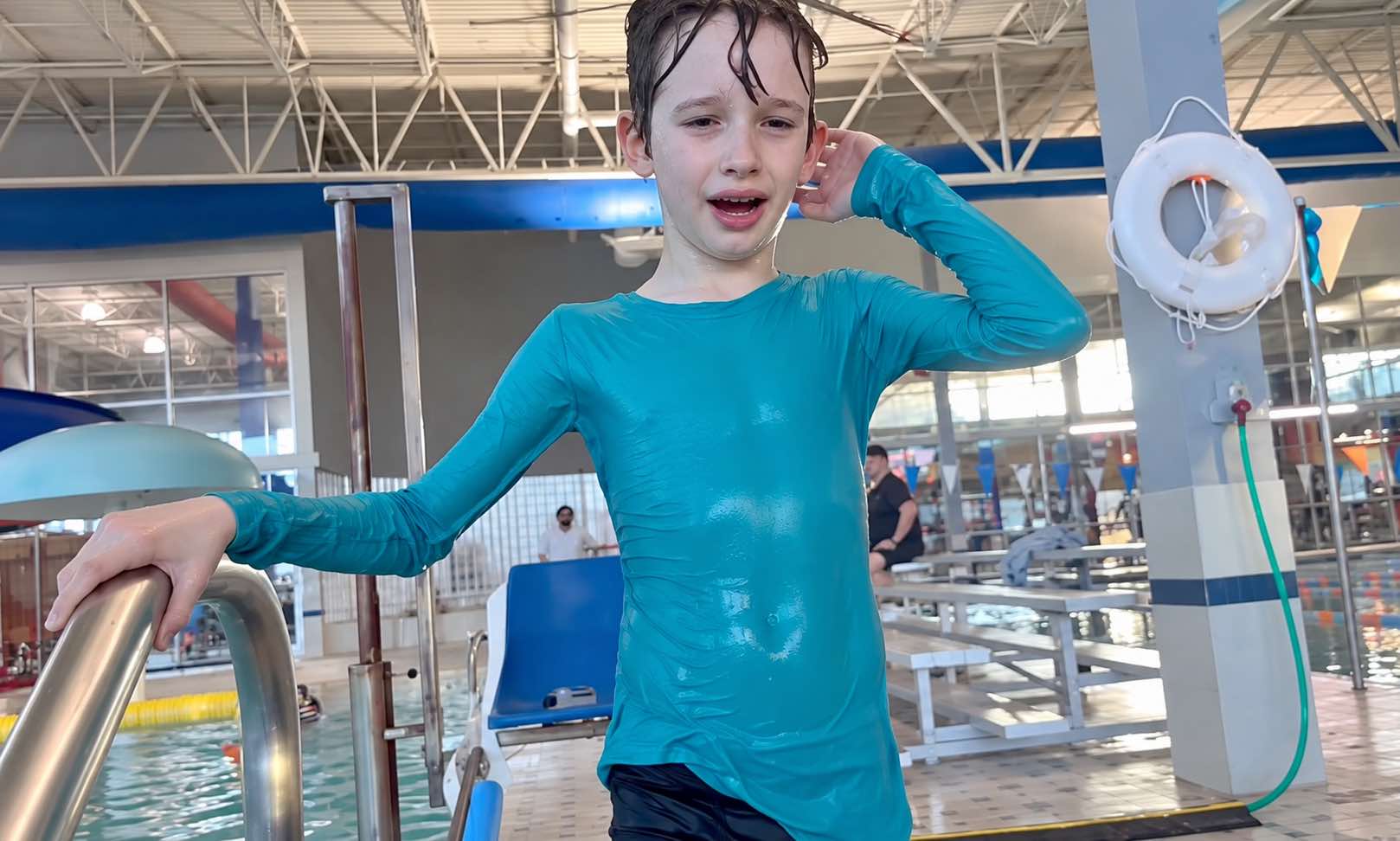
Water safety rituals and routines for children with autism can be life-saving skills.
Sadly, drowning is the leading cause of death for children under the age of 4. This risk becomes even more alarming for children with autism, as studies show they are 160 times more likely to drown than their peers. We believe that these aquatic accidents for autistic individuals can be prevented, and behavior therapists have an important role to play in helping reduce this risk.
Behavior therapists hold the key to making a positive impact in drowning prevention. BCBAs, RBTs, and ABA professionals spend hours each week teaching skills that help children with autism become more independent, communicate their needs, and safely navigate the world around them.
Across homes, clinics, schools, and communities, they teach routines, reinforce safety skills, and support caregivers. They have an incredible opportunity to incorporate life-changing water safety skills into the work they are already doing.
The good news is that behavior therapists already have many of the tools needed to make a difference.
Research has shown that behaviorally based interventions can improve water safety and swimming skills for individuals with autism. But water safety doesn’t have to start at the pool. It can start anywhere a child is learning to follow directions, respond to safety cues, communicate their needs, manage transitions, or navigate their environment.
That’s where behavior therapists can play a powerful role in drowning prevention. By connecting water safety to the behaviors, routines, and functional skills already being addressed in therapy, BCBAs can help children build safer responses around water. Families can then practice those skills before a child encounters a pool or body of water.
Let’s dive into why children with autism are drawn to water, the critical role behavior therapists can play in drowning prevention, and three practical, time-tested strategies you can start incorporating into your work today.
Why Are Children with Autism Attracted to Water?
Have you ever noticed the joy and happiness on a child’s face when they splash, swirl, jump, or interact with the water? For many autistic children, water provides powerful sensory input that can feel calming, exciting, and deeply motivating. The movement, pressure, and resistance of the water can create an experience that is so rewarding that some children may be drawn to water without fully understanding the potential dangers.
For some children with autism, this strong attraction to water can create significant safety concerns for families. Many parents experience ongoing worry around wandering or elopement, especially when water is nearby.
The Science Behind the Attraction: How Water Provides Sensory Input
Swim Angelfish has been studying adaptive aquatics since 2000, and our occupational therapy and physical therapy background has helped us explore the science behind why we see this attraction. Three key properties of water can help explain this connection:
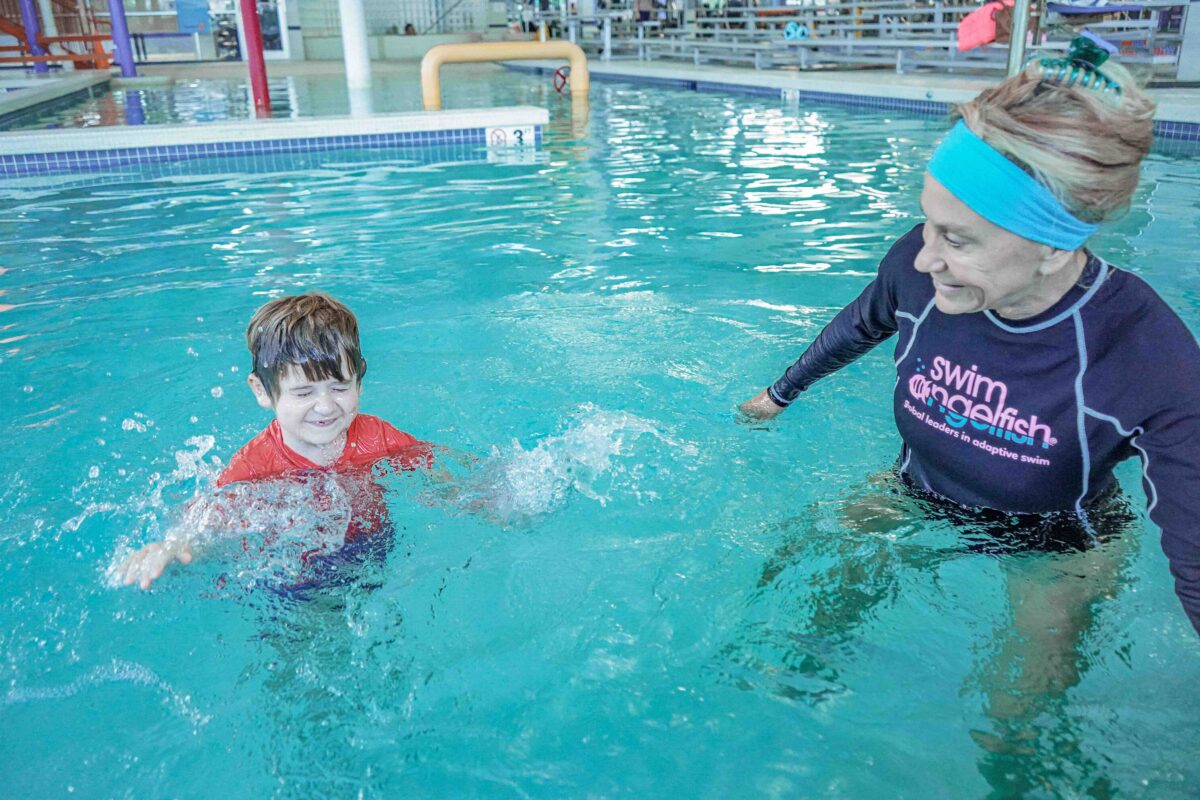
Understanding a little bit about sensory input helps us to understand why we need to create safe routines. These children reap the rewards of being in the water and often can’t wait to bolt or wander to it.
For children with profound or nonverbal autism, these challenges can be even more complex. Our on-demand webinar, Keep Children with Profound and Nonverbal Autism Safer Around Water, explores practical strategies professionals and caregivers can use to build safer routines and responses around water.
Why Water Safety Belongs in the Behavior Plan
For children who are highly attracted to water and are an elopement risk, safety skills need to be practiced before they are near a pool, lake, ocean, bathtub, or other body of water.
Water safety doesn’t have to be a separate program. It can be built into the skills and goals already being addressed in a child’s behavior plan.
Proactive water safety planning can help families and professionals build predictable routines, communication strategies, and safety skills that support safer experiences around water.
When appropriate, adaptive water safety goals can be incorporated into existing behavior support plans or a Behavior Intervention Plan (BIP). Depending on the child’s individual needs, goals may include:
- Teaching predictable water safety routines
- Improving functional communication, such as requesting permission to enter water or responding to safety cues
- Increasing independence with appropriate safety behaviors
- Building skills that reduce risk in water-related environments
- Generalizing safety skills to aquatic enviornments.

Through parent coaching, visual supports, data collection, and individualized behavior strategies, behavior professionals can help children build and generalize water safety skills before they encounter a potentially dangerous situation.
Ready to dive into the three most important skills to teach?
3 Water Safety Strategies for Behavior Professionals
These three time-tested water safety strategies focus on creating predictable routines, increasing familiarity with safety equipment, and supporting swim skill development as an additional layer of protection. They can be taught without being in the pool.
Create a Water Safety Routine: Ask Permission Before Entering Water
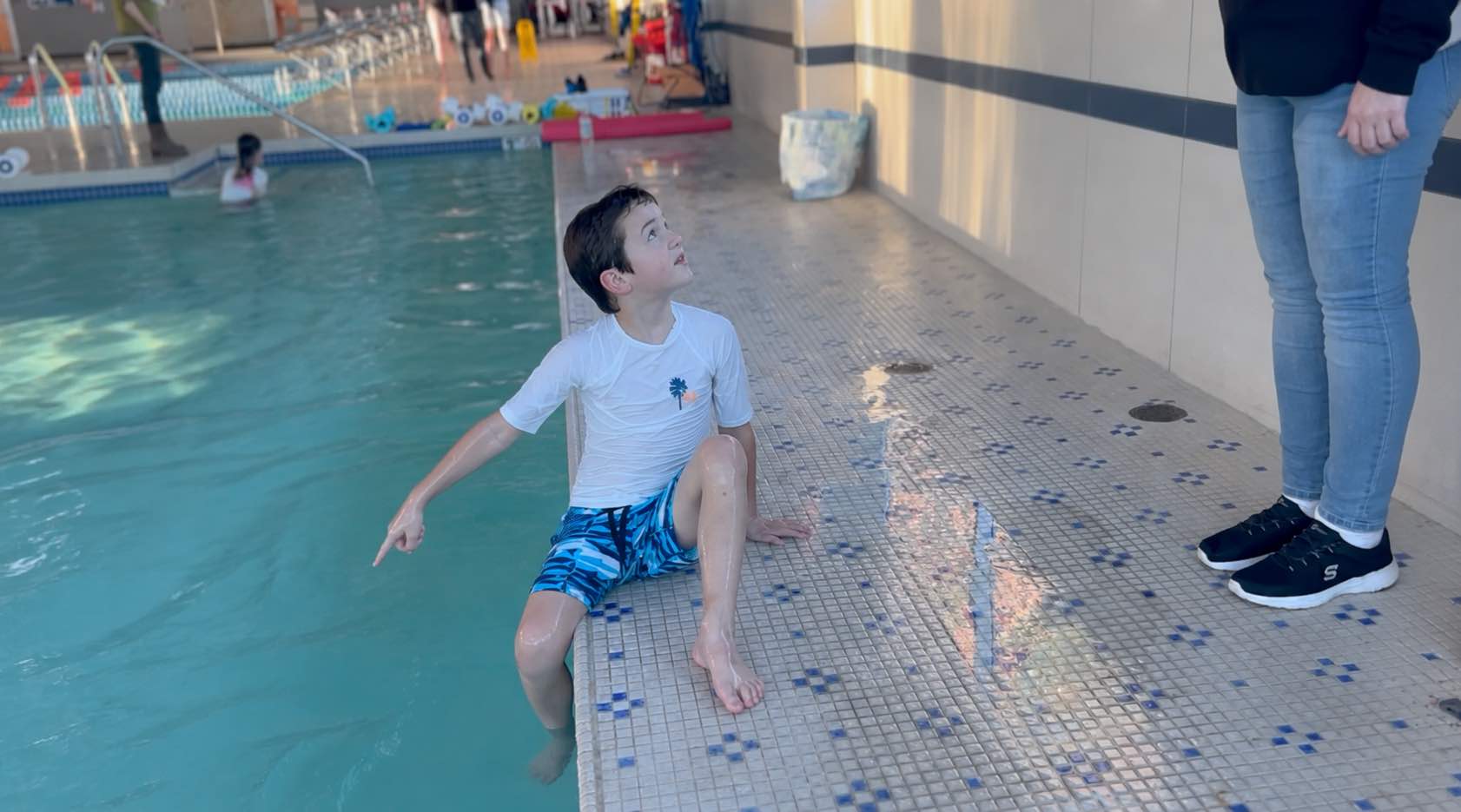
One of the most important water safety routines to teach is asking permission before entering any body of water. This permission training can be practiced every time a child encounters water – whether it is the bathtub, shower, pool, ocean, lake, pond, splash pad, or river.
The routine may look different for each child. Some children may ask verbally, while others may point, gesture, use AAC, or follow a physical routine that is meaningful to them. For children who are highly attracted to water, adding a predictable ritual – such as asking permission and then completing a familiar action like saying the alphabet, spinning, or clapping – can create an intentional pause before entering the water.
Behavior professionals can support families by helping children practice these routines consistently, reinforcing progress, and collecting data across different environments. Over time, these repeated experiences can help build stronger water safety habits.
Build Familiarity With Life Jackets and Rescue Equipment
A rescue tube and life jacket are two important pieces of equipment that can easily be incorporated into water safety goals.

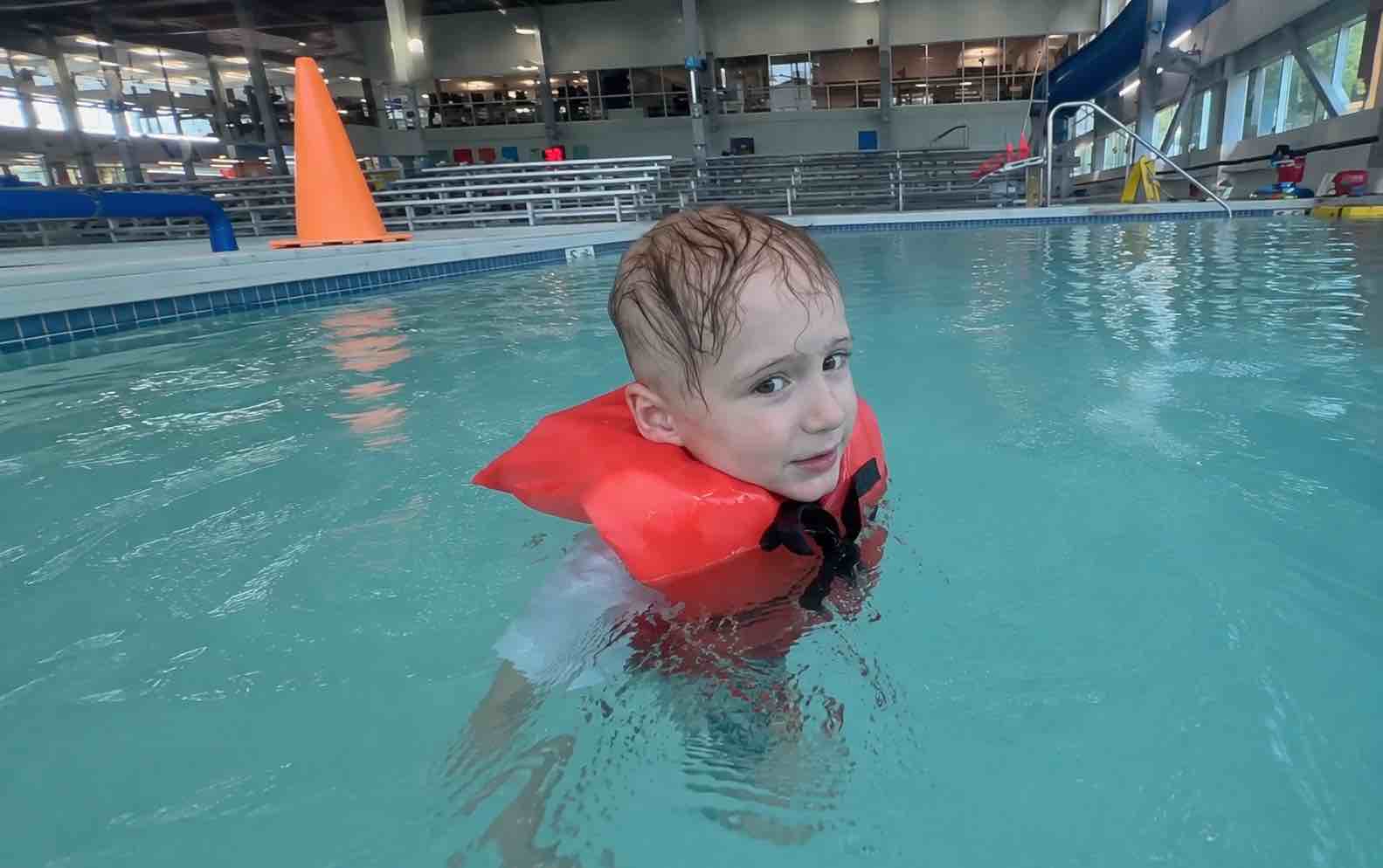
QUICK TIP: If a child does not like the texture, try different types of life jackets or use a water shirt as a barrier between the life jacket and the skin. Once the child is comfortable wearing the life jacket during an ABA session, it is important to educate parents that practicing in a body of water is essential. The goal is to make sure the life jacket supports the child and that they can move, propel, and practice rolling with it on.
Support Swimming Skills as an Additional Layer of Protection
Learning to swim is an important additional layer of protection recommended by drowning prevention experts. But water safety skills don’t have to be taught only in the pool. Behavior professionals can help children build foundational safety skills through everyday routines, communication, and practice outside of swim lessons.
Two skills that can be practiced outside of swim lessons are holding the wall and waiting and becoming comfortable with submerging.
Exercise 1: Holding the Wall
One important water safety routine taught during swim lessons is “hold the wall, look for the instructor, and take a hand.” The wall gives a tired or panicked child a secure place to rest, helps prevent drifting into deeper water, and provides a clear boundary for safely exiting the pool. Practicing this routine teaches children to hold the wall, look for an instructor or caregiver, and take a hand before moving away.
Behavior professionals can help build this skill outside of the pool. Using play-based scenarios, visual supports, social stories, and role-play, practice the sequence: hold → look → wait → take a hand to make this behavior more automatic when children are in the water.
Exercise 2: Steps to Submerging
Another important swim skill is becoming comfortable with submerging. Imagine a child unexpectedly falling into water who has never experienced water over their face or head. What might that moment feel like? For many children, it can create panic and fear because it is unfamiliar.
Practicing this skill gradually starting with on land play-based activities i.e. wearing swim gear, and building comfort with water on the lips, nose, eyes, and eventually the head can help children become more confident in the water.
Behavior Therapists Are Essential Partners in Drowning Prevention
Water safety for children with autism requires a team approach.
Swim instructors teach aquatic skills, families reinforce safety routines, and behavior professionals play a critical role in helping children build and generalize the skills that support safer experiences around water. By incorporating adaptive water safety into the work already being done, behavior therapists have an opportunity to make a meaningful impact on drowning prevention.
Every child who learns a life-saving routine, every family who gains greater peace of mind, and every behavior professional who makes water safety part of their practice brings us one step closer to preventing another tragedy.
For behavior professionals looking for BCBA water safety resources to support water safety goals, Swim Angelfish offers free adaptive water safety tools, professional training, and practical advice to help incorporate these skills into everyday practice.