APTA 2026 Recap: Pediatric Aquatic Therapy to Improve Gait

Being accepted to speak at the USA’s largest Physical Therapy conference was an absolute honor! The APTA Combined Sections Meeting was held in Anaheim, California on February 12th-14th 2026 and is an event we always look forward to attending.

The theme of this year’s conference was “Powered by Possibility”. This is a value close to our heart at Swim Angelfish, as we are driven to transform abilities with adaptive aquatics and believe that anything is possible for our clients and we work closely with them to achieve their unique goals.

To say this was a showstopper, was an understatement. We learned, we grew, we connected with a wide range of physical therapy professionals from our past and present professional lives, and above all we made the most of every moment there.

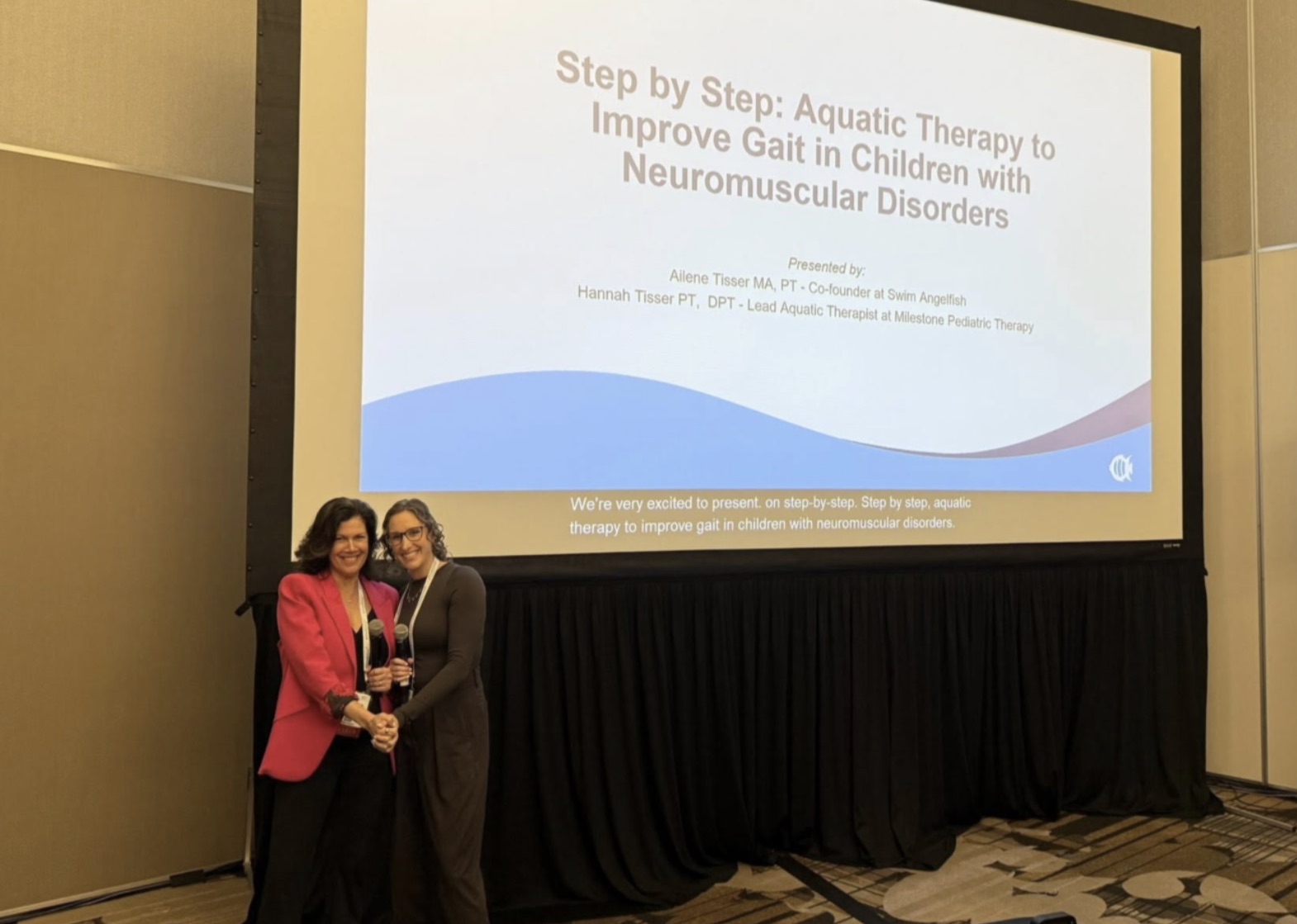
The highlight for Ailene Tisser, PT, was presenting to a packed room alongside her daughter Hannah Tisser, DPT. Hannah works at Milestone Pediatric Therapy Center in San Diego, CA and together they presented an engaging presentation called “Step by Step”- Aquatic Therapy To Improve Gait For Children With Neuromuscular Disorders.”

In this conference recap, we’ll share nuggets of insight, wisdom and new ideas for aquatic therapy sessions.

“Step By Step” Key Presentation Takeaways

Takeaways from the presentation offered a fresh perspective and new ways to approach gait training through aquatic therapy.
  • Fix the Foundation, and Gait Will Follow
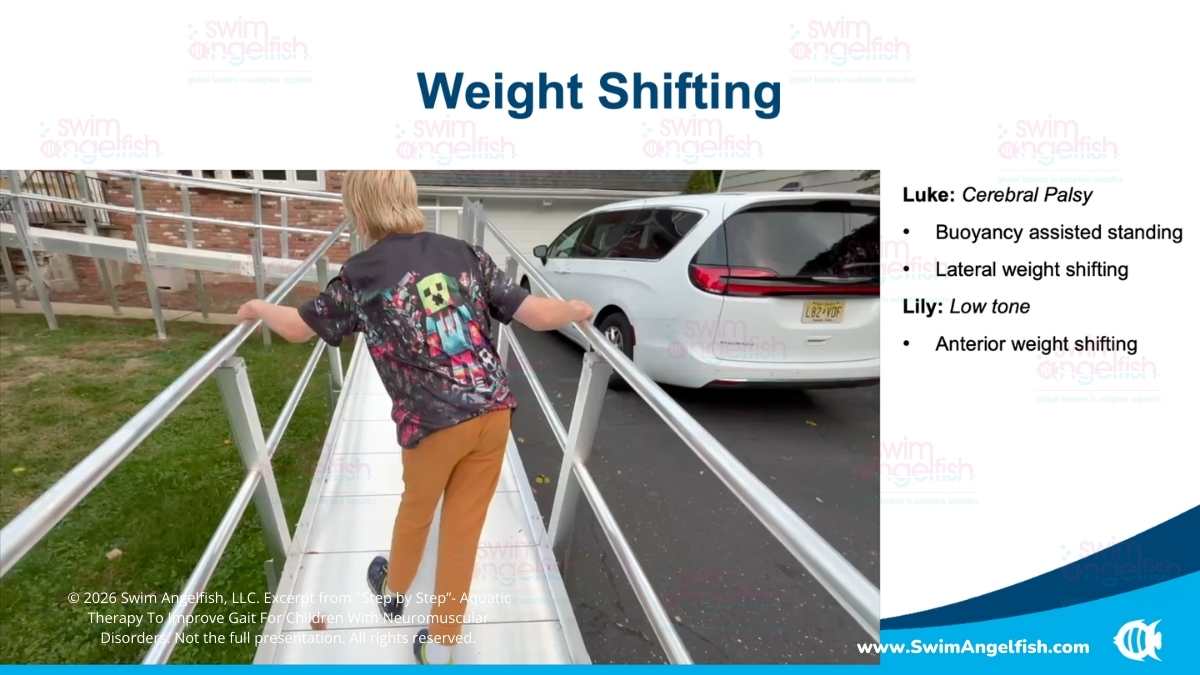
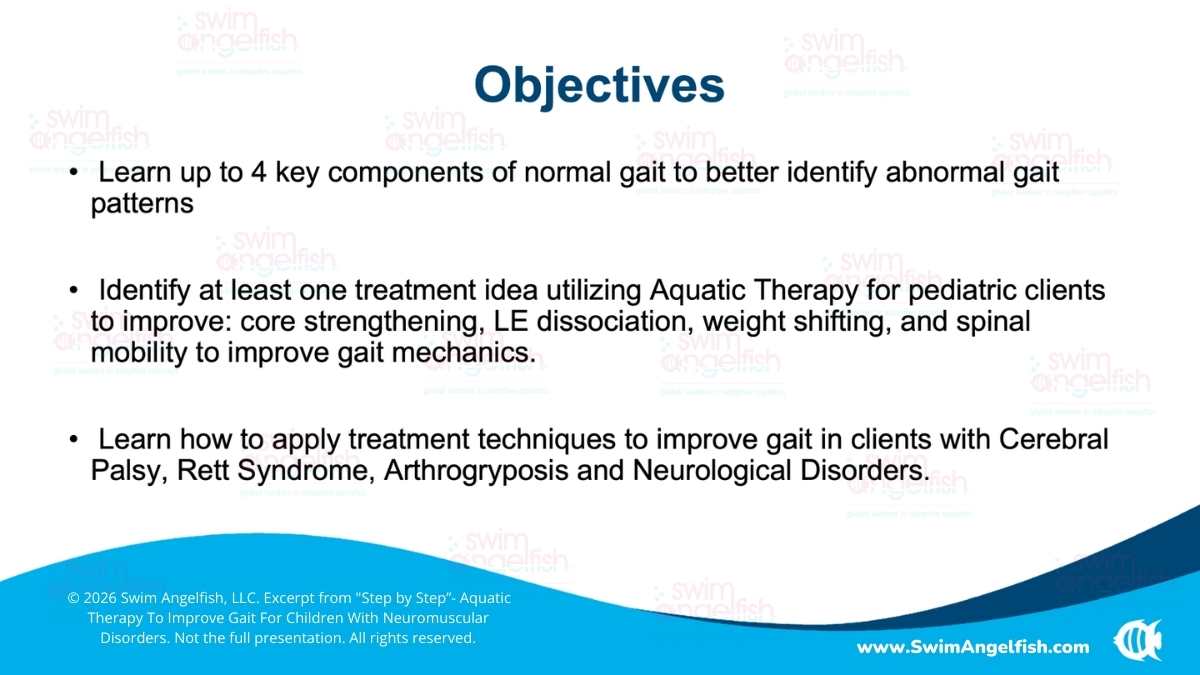
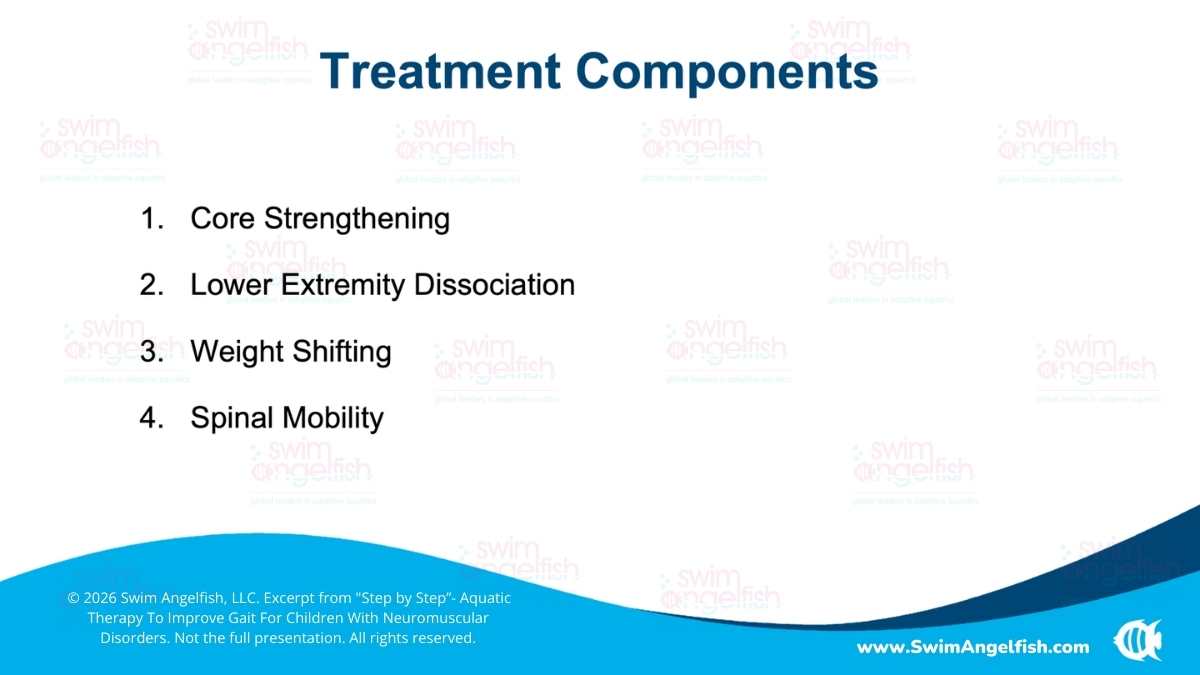
    The presentation emphasized that meaningful improvements in walking begin by targeting the underlying components of movement. By addressing core stability, lower extremity dissociation, weight shifting, and spinal mobility, therapists can create changes that transfer directly into functional ambulation.
  • Water Unlocks Movement Potential
    The aquatic environment allows children with complex neuromuscular conditions to safely access movement patterns that may not yet be possible on land. Buoyancy and resistance provide both support, assistance and challenges, accelerating neuromotor learning.
  • Proximal Stability Drives Distal Success
    When trunk activation and postural control improve, distal mobility becomes more efficient. Intentional core strengthening strategies were highlighted as a cornerstone of progressive gait training.
  • Dissociation Creates True Forward Progress
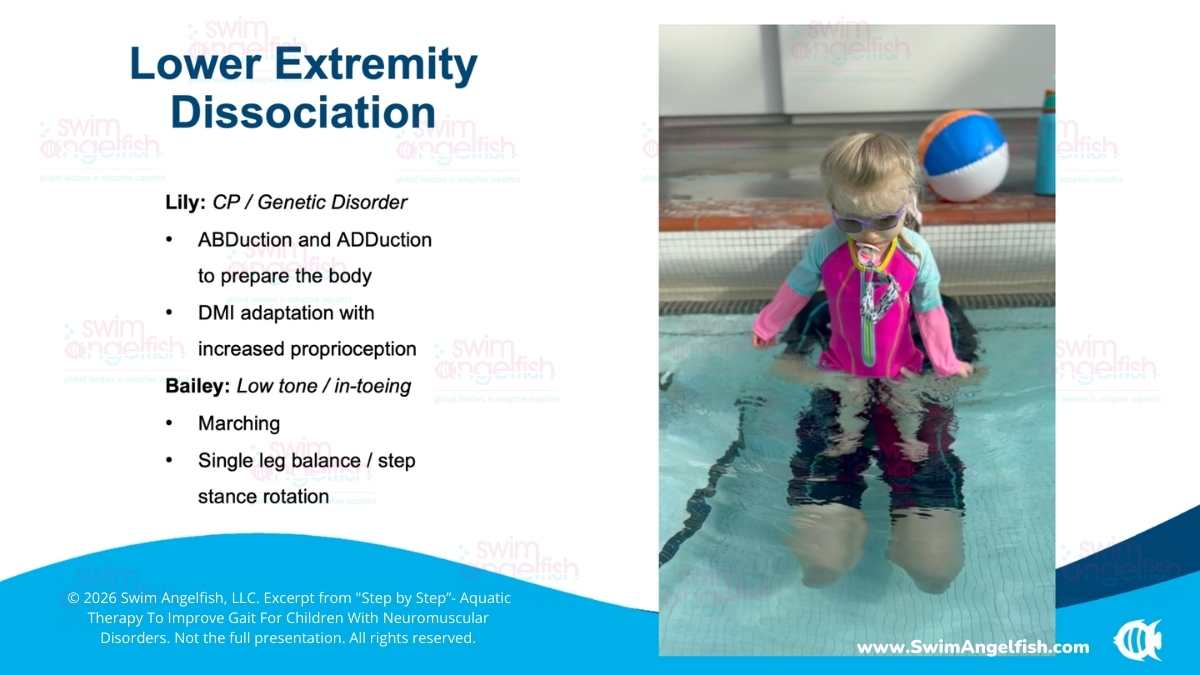
    Building reciprocal lower extremity movement and controlled weight shifting is essential for functional mobility and improved gait.
  • Mobility in the Spine Changes Everything
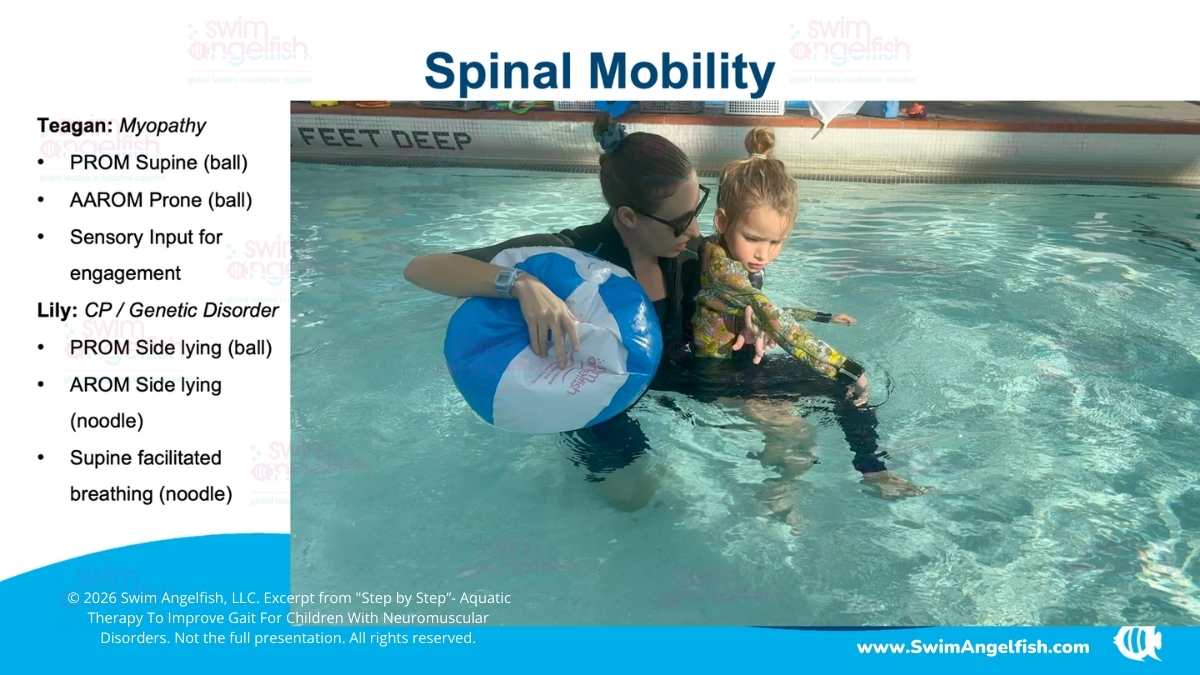
    Addressing spinal alignment and rotation in the water enhances symmetry, balance, and overall movement quality — often the missing link for more fluid and controlled gait for our pediatric clients.
  • Real Cases, Real Clinical Translation
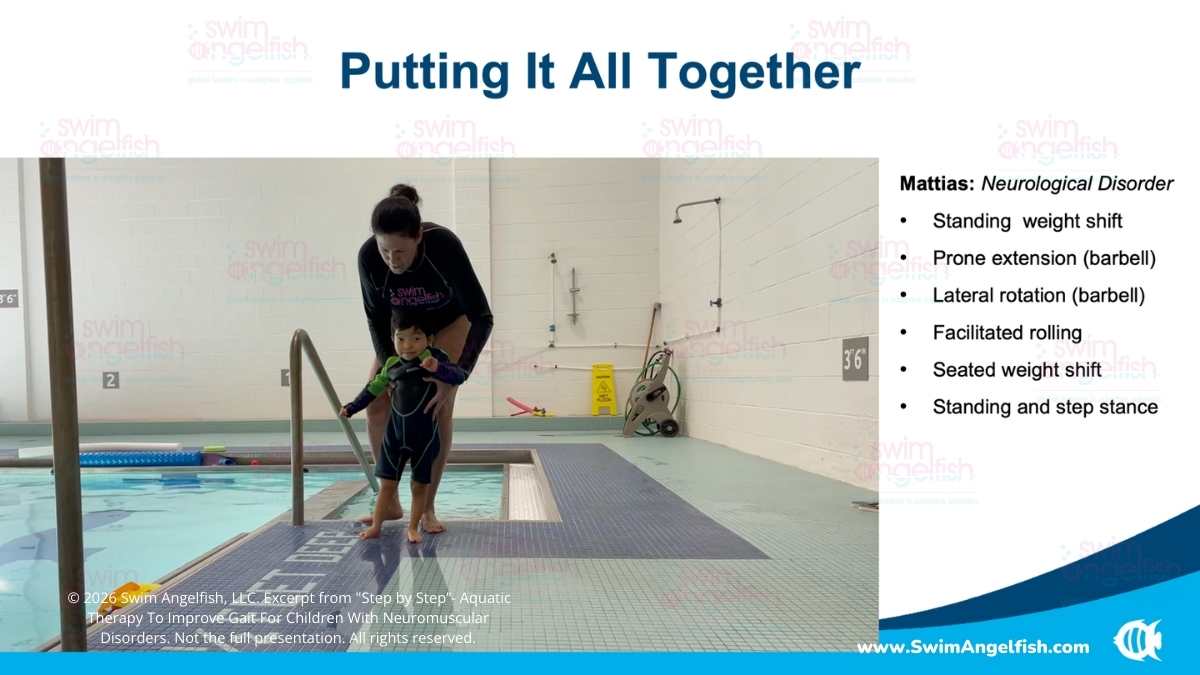
    Through pediatric case examples involving children with Cerebral Palsy, Rett Syndrome, and Arthrogryposis, therapists saw how these strategies are used and adapted to meet each child’s specific motor presentation. The instructional videos demonstrated practical techniques therapists can immediately integrate into sessions.

When aquatic therapy focuses on the key motor components, it can lead to clear, measurable gains in gait and more independence with functional movement.

Sneak Peak into Presentation Highlights

Here are a few slides from the Swim Angelfish conference presentation on Aquatic Therapy To Improve Gait For Children With Neuromuscular Disorders. These are some excerpts to highlight key ideas and are not the full presentation.
Bringing Innovations from the Conference to the Clinic

Complementing the session’s key insights, the conference included a wonderful exhibition hall where product specialists highlighted adaptive technologies and innovative tools that enhance therapy outcomes.

Ailene connected with these specialists and is excited to bring back fresh ideas for our clients. Exploring the latest adaptive seating and wheelchair innovations inspired us to consider new options for our Aquatic Therapy clients at Swim Angelfish. We also invested in an exciting piece of equipment: the Aqua-Ohm, a resistive device designed to strengthen the core as well as targeted upper and lower extremity muscles in the water.

We can’t wait to see the benefits of these tools as we apply them to support our clients and their therapy goals.
Ailene Tisser, MA, PT, Founder

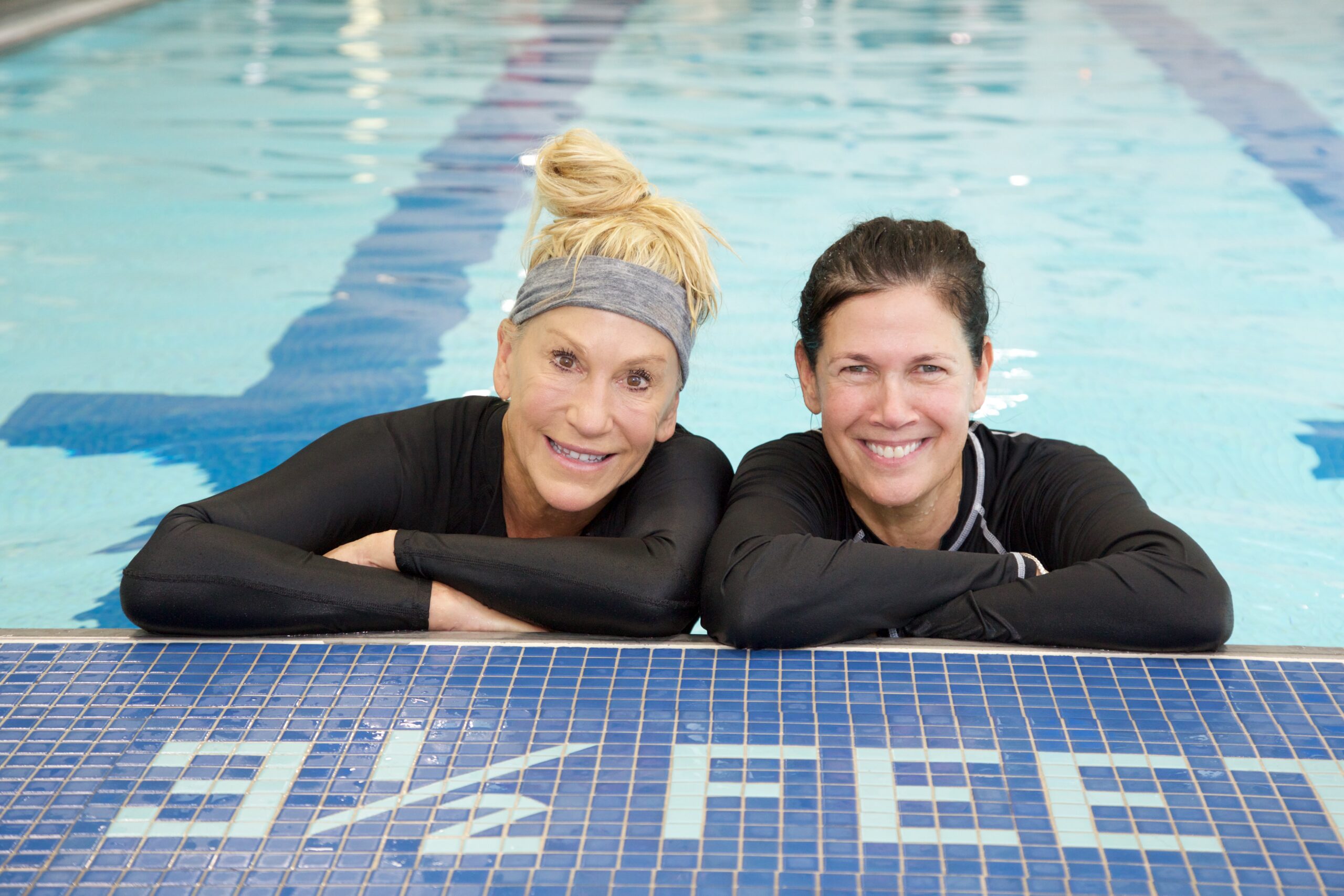
Ailene Tisser, a pediatric Physical Therapist with over 30 years of experience and co-founder of Swim Angelfish® and the Swim Whisperers® method, specializes in aquatic therapy and adaptive swim for children with special needs. Trained in NDT, DIR/Floortime, and certified as an Autism Specialist and Primitive Reflex Specialist she fosters water safety, confidence, and independence in her young clients. Ailene is also passionate about educating aquatic professionals, setting a standard of excellence for adaptive aquatics training and professional development.

Cindy Freedman, MOTR, Founder

Cindy, MS, OTR/L is an occupational and recreational therapist with over 30 years of experience specializing in pediatrics and aquatics. Driven by a passion for helping children with special needs reach their full potential, Cindy co-founded Swim Angelfish, an organization dedicated to providing adaptive swim and aquatic therapy services as well as professional training. Her expertise in sensory integration, reflex repatterning, and aquatics, coupled with her love for water and experience as a national champion diver, has enabled her to make a profound impact on the lives of countless children. Cindy is certified as an Autism Specialist by IBCCES, and shows an unwavering commitment to improving the lives of children with special needs.