Overcoming Floating Challenges in Swimmers with Down Syndrome
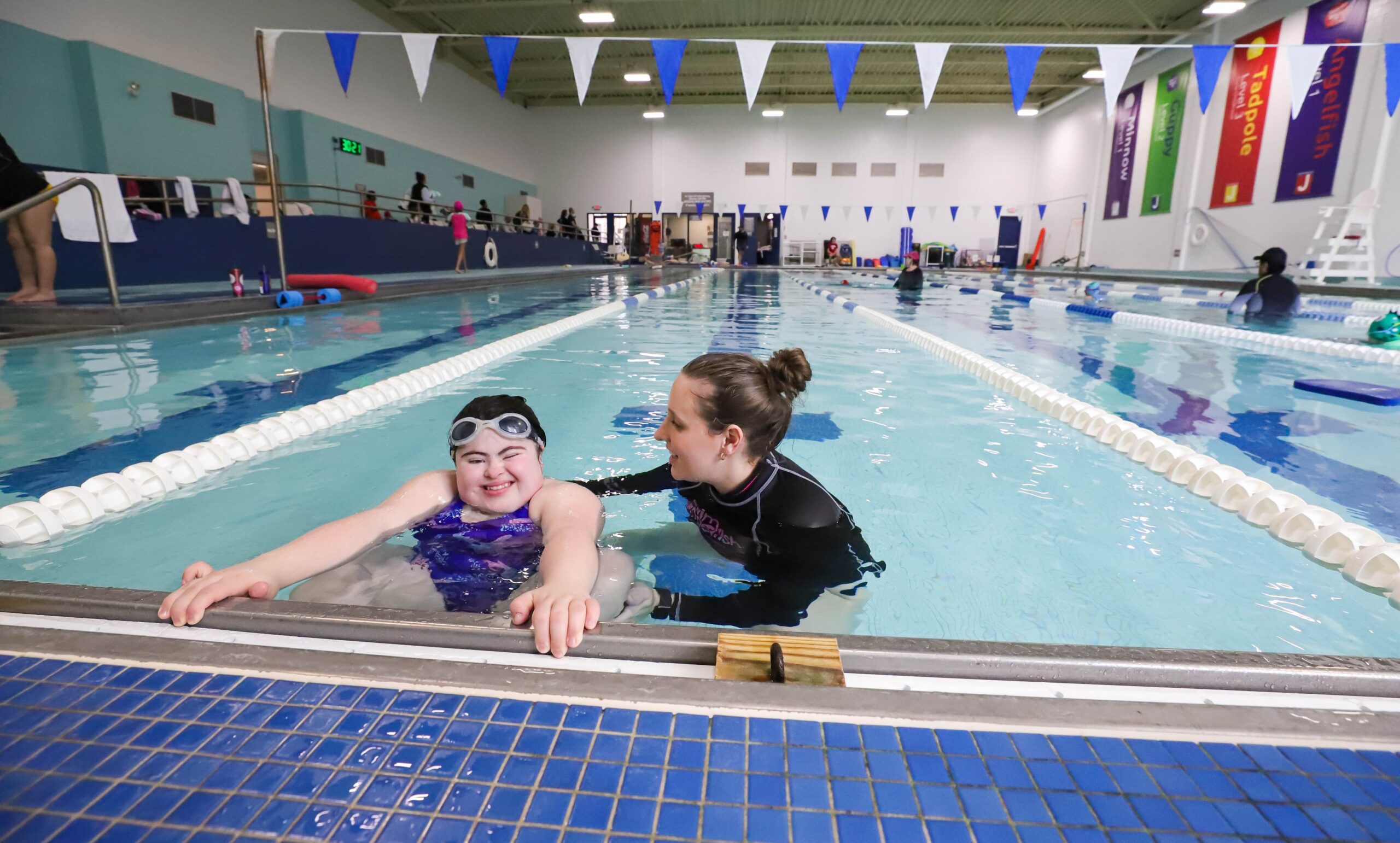
Why does floating — something that looks so simple — feel so hard for some swimmers with Down Syndrome?
For swimmers with Down Syndrome, low muscle tone, core weakness, and ligamentous laxity (“loose joints”) can make maintaining balance and body control in the water challenging. Floating, body positioning, and coordinated movement may require more effort than it appears — but with the right support, the water becomes an incredibly powerful environment for building strength, confidence, and water safety.
Swimming and aquatic therapy are low-impact, highly adaptable activities that can specifically target low muscle tone (hypotonia) and joint laxity. The buoyancy of water allows for movement, strengthening, and an easier way to get cardiovascular endurance without the stress on joints found in land-based exercise.
This is especially important because research shows that individuals with Down Syndrome often have lower fitness levels and higher rates of obesity than their peers — making regular, enjoyable physical activity essential for long-term health and well-being.
Discover the why behind floating challenges, the importance of aquatic activity and how aquatic therapy and swimming can improve muscle strength, endurance and stability.
3 Adaptive Aquatic Tips for Swimmers with Down Syndrome
Before we dive in, hear from co-founders Cindy Freedman, MOTR, and Ailene Tisser, PT, as they share their 3 top tips for working in the water with individuals with Down Syndrome.
Importance of Physical Exercise for Down Syndrome
Why is regular physical activity so essential?
A study by Kristi Menear examining parents’ perceptions of physical activity for children with Down Syndrome identified several consistent themes:
As teens with Down Syndrome age, weight gain can become more common. Increased weight can impact cardiovascular health — an important consideration given that heart-related conditions are more prevalent in this population.
This is where swimming and aquatic therapy shine.
The aquatic environment allows for aerobic conditioning, muscular strengthening, sensory input that is self-regulating, and joint-friendly exercise across the lifespan. Individuals who may fatigue quickly on land often sustain activity longer in water, making aquatic exercise a critical tool for lifelong health benefits.
Swimmers with Down Syndrome are diverse in skill and personality. Many are highly social and genuinely love the water. Swim lessons are inherently social and being on a swim team can fulfil their social needs. At the same time, new physical challenges may feel overwhelming without the right support. So having training in adaptive aquatics is essential when working with these swimmers.
What Low Muscle Tone Means and its Impact in the Water
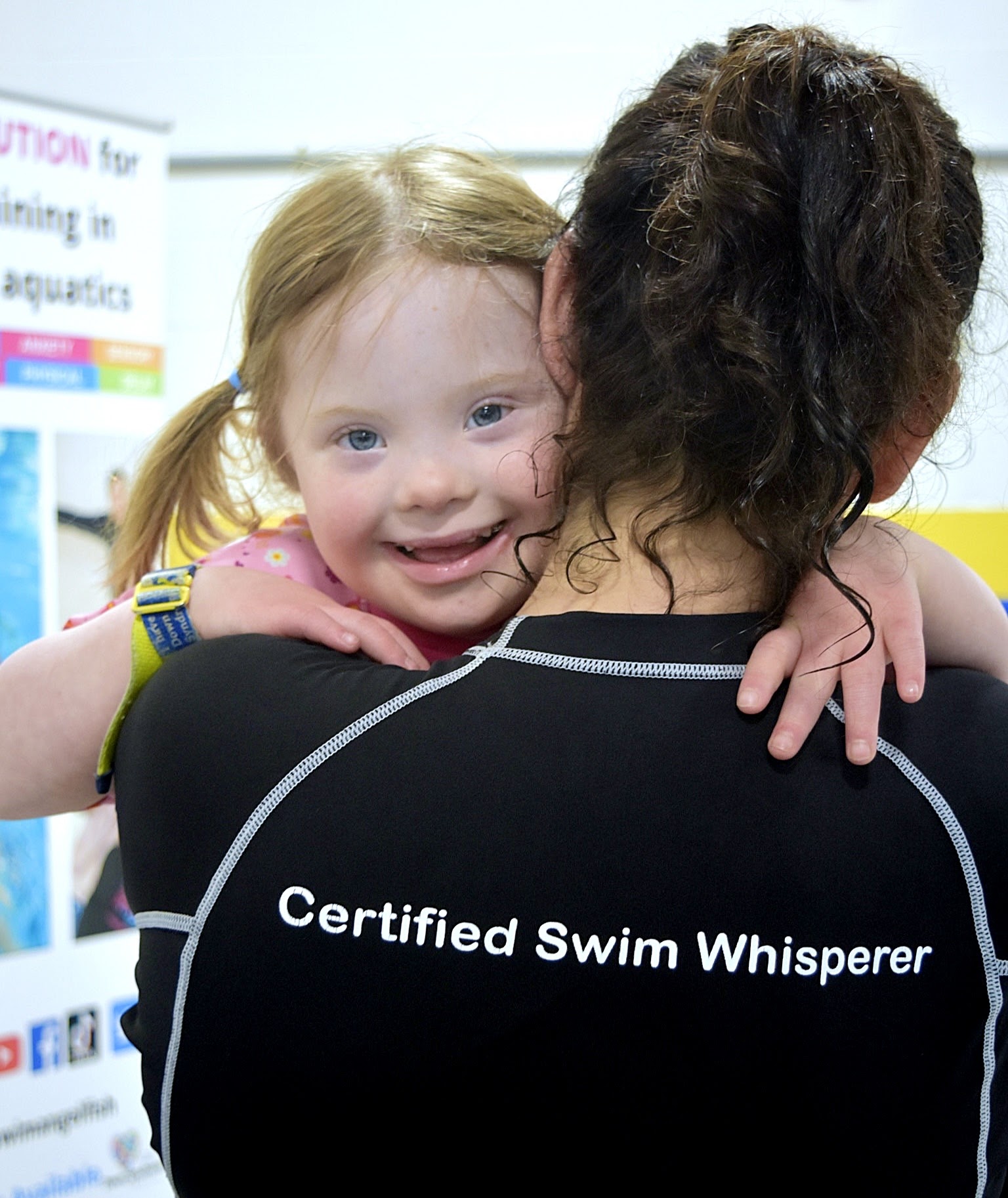
Low muscle tone (hypotonia) means muscles have less resting tension. They may feel softer and provide less natural stability to joints. Combined with ligamentous laxity, this can contribute to:
Because of core weakness, some swimmers overuse the rectus abdominis (the “sit-up” muscle) while underutilizing the obliques. Over time, this imbalance can contribute to abdominal separation (diastasis). Aquatic therapy is particularly effective for addressing this through supported trunk rotation and controlled core activation.
Impact of Low Muscle Tone on Swimming Skill Development
Hypotonia affects how swim skills develop:
- Maintaining streamlined body position can be challenging
- Kicking may lack propulsion
- Stabilizing the core during side breathing requires additional effort
- Transitions between positions may feel unsteady
Interestingly, low muscle tone can also increase buoyancy. A more “floaty” body can be helpful — but controlled floating and body alignment still require strength and coordination of muscles working simultaneously.
This is where intentional aquatic therapy and adaptive swim instruction make all the difference.
Building Strength and Stability in the Water
Water provides three therapeutic advantages simultaneously:
In aquatic therapy, exercises can be specifically designed to improve:
- Core stability
- Trunk rotation
- Postural alignment
- Functional movement patterns
- Cardiovascular endurance
In swim lessons, these same goals are embedded within skill development:
- Floating
- Kicking
- Breathing
- Coordinated stroke work
Unlike land-based strengthening, water resistance increases naturally with speed. This allows therapists and adaptive instructors to grade difficulty without adding anything external.
Focus on the Float
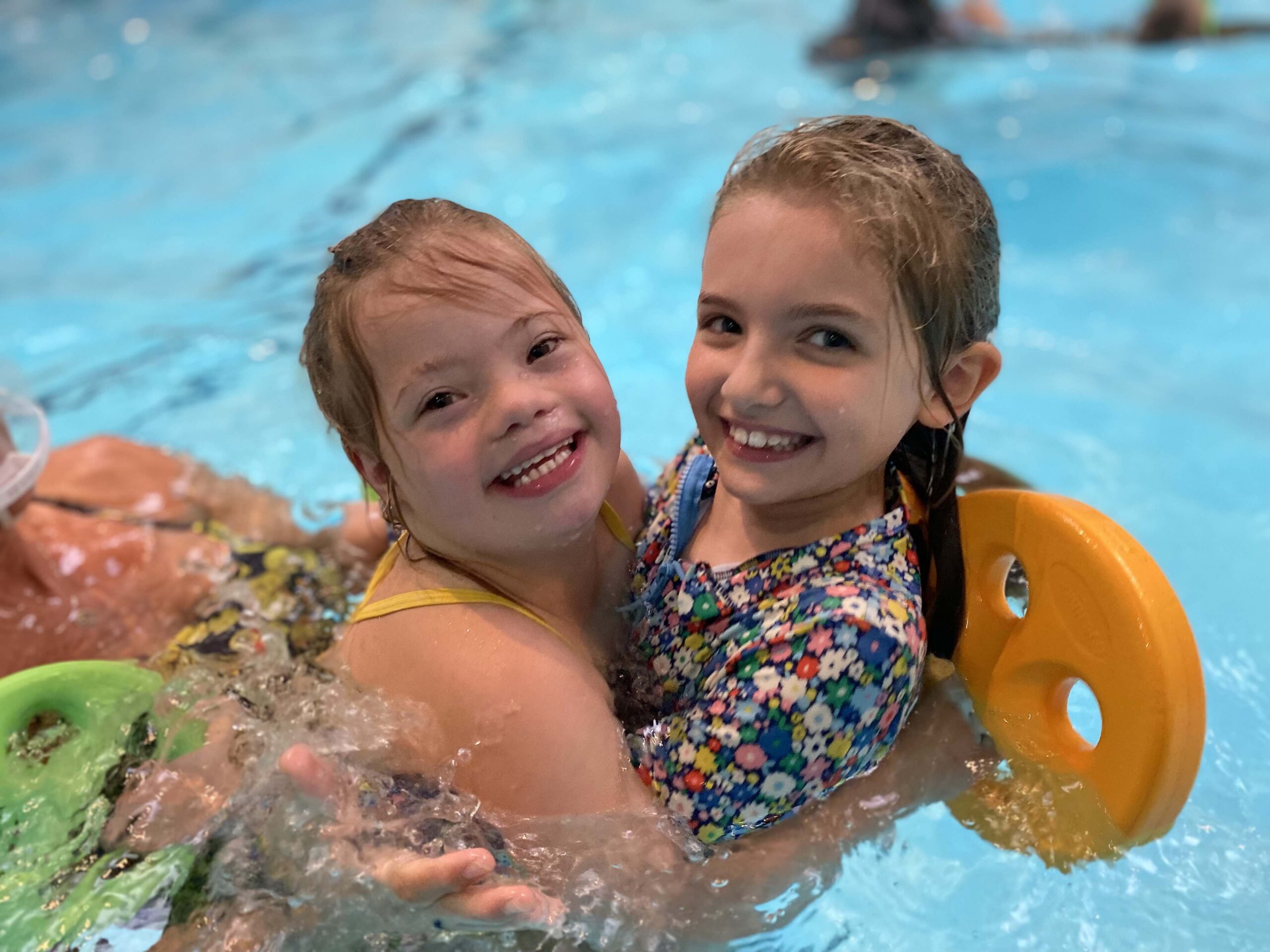
Floating is foundational — both for water safety and skill progression.
Why Floating Matters
A comfortable back float is a life-saving rest position. If a swimmer becomes fatigued, floating allows recovery and breath control.
For swimmers with Down Syndrome, floating may look different — and that’s okay.
Because of low muscle tone:
- The body may appear more relaxed or spread out with a wide base of support.
- Hips may sit lower or higher than expected.
- Core engagement may fluctuate.
While natural buoyancy may make floating easier, controlled floating — adjusting body position, maintaining alignment, and transitioning independently — requires strength.
Aquatic therapy often begins here. Therapists can support alignment while encouraging active core engagement. Adaptive swim instructors then build on that foundation to develop independent floating skills.
The goal is not perfection. The goal is safe, confident and comfortable body control.
Water for Support and Resistance
As babies and young children with Down Syndrome explore the water, increased buoyancy can sometimes create instability. When tipping forward into a prone position, they may rotate too quickly and feel as though they are falling. This can create anxiety, hesitation or fear.
Under professional supervision, subtle therapeutic strategies may be used to improve body awareness and control. The water itself becomes the primary tool:
Aquatic therapy sessions may isolate specific muscle groups, while swim lessons integrate those gains into functional swim skill development.
Can Low Muscle Tone be Fixed?
While you can’t change the inherent tone of your muscle you can improve your muscle strength, endurance, coordination, and stability.
This is why swimming and aquatic therapy are so valuable:
When swimmers feel successful, they participate more consistently. Consistent activity drives long-term health benefits.
Swimming and aquatic therapy are far more than recreational activities for individuals with Down Syndrome. They are therapeutic, strength and endurance-building, confidence and regulation-enhancing, lifelong fitness tools.
By understanding the impact of low muscle tone on swim skill development, focusing on floating as a foundation, and providing expert adaptive guidance, we can create an environment where swimmers can thrive.