A Guide to Sensory Seekers and Avoiders
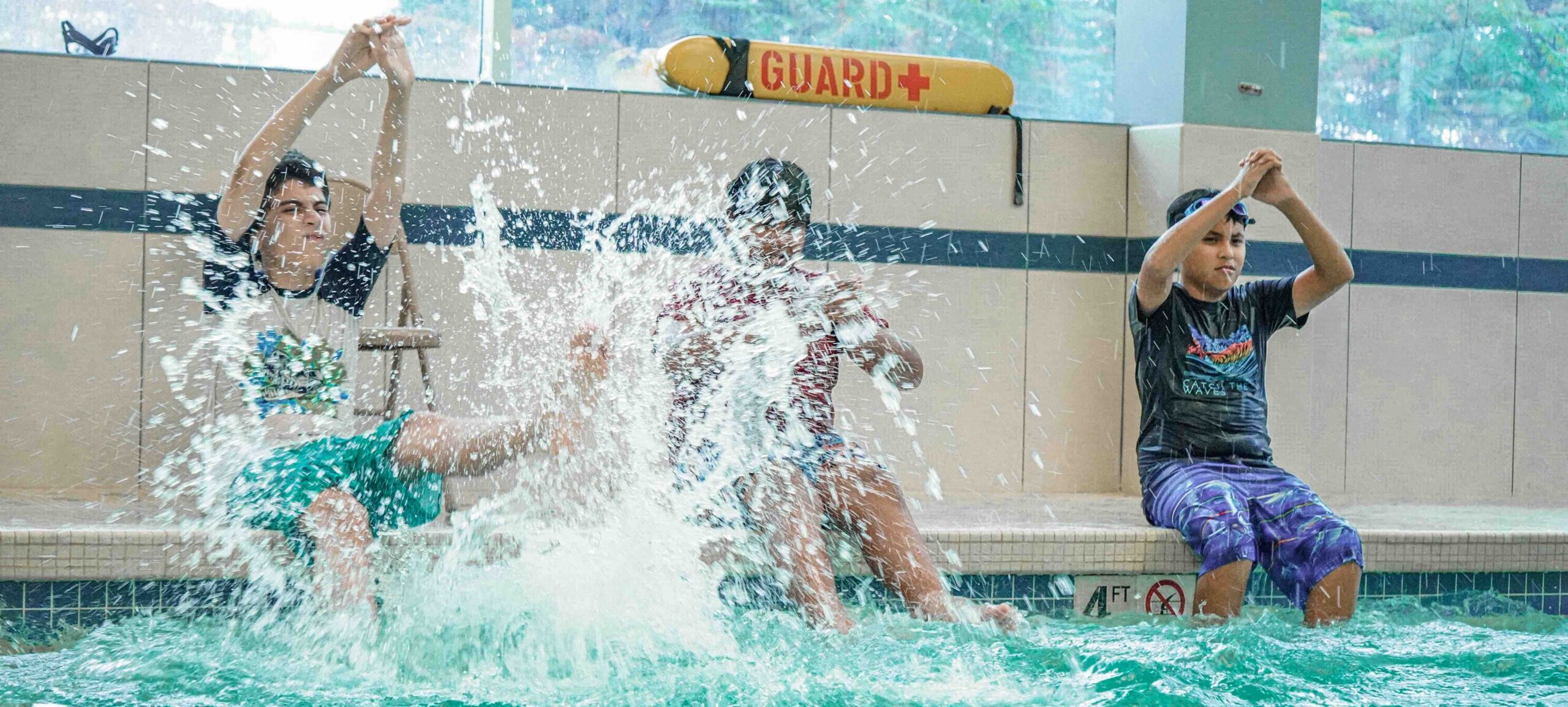
Swim instructors are seeing more and more swimmers with sensory sensitivities — whether that shows up as difficulty following directions, fear of the water, constant movement, or trouble staying regulated during lessons. Understanding why these behaviors happen is the first step toward helping every swimmer feel safer, calmer, and more successful in the pool.
At Swim Angelfish, Co-Founders Ailene Tisser, MA, PT (Physical Therapist) and Cindy Freedman, MOT, OTR (Occupational Therapist) have spent decades integrating sensory processing techniques into the water to improve how their swimmers learn. Their Adaptive Swim Whisperers® Method is built on helping instructors recognize sensory needs and uses simple, effective strategies to support them in the water.
We break down the two most common sensory profiles you’ll see in your lessons — Sensory Seekers and Sensory Avoiders. This guide provides clear steps you can use right away to help your swimmer feel regulated, confident, and ready to learn.
Understanding Sensory Seekers and Sensory Avoiders
Every swimmer processes sensory input differently. For many children with Autism or sensory sensitivities, the pool environment can either feel soothing… or overwhelming. Understanding Sensory Seekers and Sensory Avoiders helps you recognize behaviors and respond in ways that support learning, safety, and confidence.

Sensory Seekers
Sensory Seekers crave extra input to feel organized and calm. In swim lessons, they often:
- Move constantly
- Seek out spinning or going under water
- Crash, push, or jump repeatedly
- Have trouble focusing because they’re looking for “more” input to their body
These swimmers aren’t “hyper” — they’re trying to get the sensory input their body needs.
Sensory Avoiders
Sensory Avoiders feel overwhelmed by certain sensations. In the pool, you might see them:
- Appear fearful or hesitant
- Avoid getting splashed
- Cling to the wall or to the instructor
- Resist touch or handling swim equipment; even contact from the instructor can feel overwhelming
- Become tearful, shut down, or refuse to move
- Startle easily with noise, movement, or unpredictability
Their nervous system is working overtime, often in a fight-or-flight state.
The Role of Neurochemicals 101
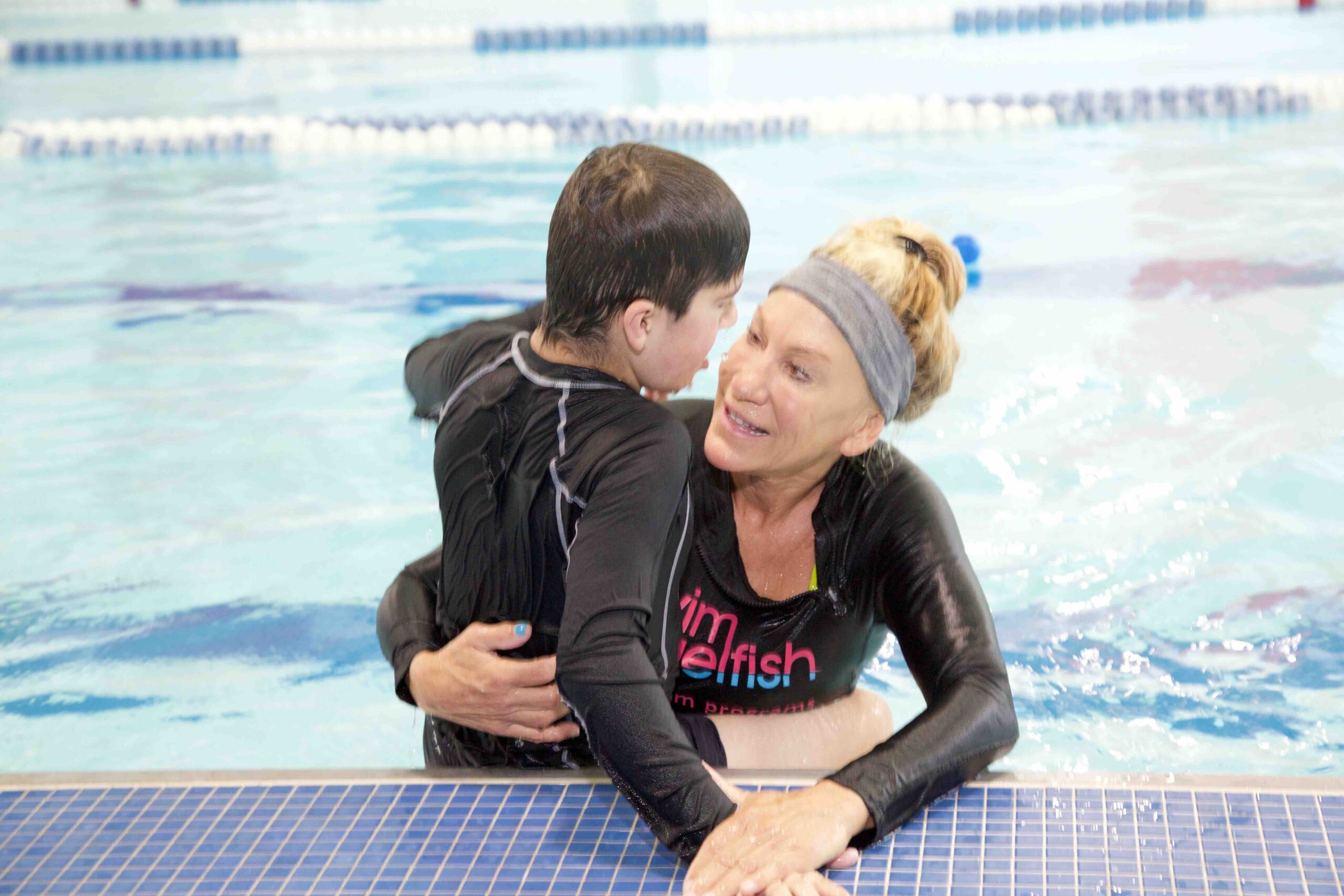
You don’t need to be a scientist to understand how the brain and body work together to help a swimmer feel calm and ready to learn. Certain neurochemicals in the brain — Dopamine, Histamine, and Serotonin — play a key role in self-regulation. By understanding how movement and sensory input affect these chemicals, you can help your swimmers regulate in the pool.
Dopamine
- Released through deep pressure
- Makes a swimmer feel calm and organized
- Helps wash away stress and adrenaline
Histamine
- Released through movement of the head and body in space (vestibular input)
- Balances the nervous system
- Helps a swimmer feel steady and coordinated
Serotonin
- Released through heavy work, or pressure on muscles and joints (proprioception)
- Boosts mood and sense of well-being
- Helps a swimmer feel ready and focused
Using this knowledge in your lessons allows you to integrate adaptive swim instruction strategies that support sensory regulation in swim lessons, helping swimmers stay calm and engaged.
Why This Matters in Swim Lessons
By introducing sensory input in the right order, you can help a swimmer achieve self-regulation. This means they can become calmer, more attentive, andready to practice swim skills with more safety and efficiency.
How to Support a Sensory Seeker in Swim Lessons
Sensory Seekers crave extra movement and input to feel organized and calm. In swim lessons, they might seem “hyper,” constantly moving, spinning, or looking for more stimulation. The good news? With the right sequence of activities, you can help them regulate and focus on learning skills.
Step-by-Step Strategy for Sensory Seekers
Why This Sequence Works
Following this adaptive swim instruction strategy — Vestibular → Proprioception → Deep Pressure — helps a Sensory Seeker feel regulated before you move on to swim skills. A regulated swimmer is calmer, more focused, and more receptive to instruction.
How to Support a Sensory Avoider in Swim Lessons
Sensory Avoiders can be challenging to engage because they feel overwhelmed by certain sensations. In the pool, they may appear fearful, resist touch or equipment, or shut down. With the right sequence of movements, however, you can help them feel safe, regulated, and ready to learn.
Step-by-Step Strategy for Sensory Avoiders
Why This Sequence Works
Following this sequence of Deep Pressure → Vestibular → Proprioception helps a Sensory Avoider move from fight-or-flight into a regulated state. Once they feel safe and organized, they can focus on learning swim skills and following instructions — leading to a safer, more productive lesson.
Help Every Swimmer Thrive with the Adaptive Swim Whisperers® Certification
Every swimmer deserves to feel confident and successful in the water — especially those with sensory sensitivities. That’s why Ailene Tisser (PT) and Cindy Freedman (OT), co-founders of Swim Angelfish, created the Adaptive Swim Whisperers® Certification.
This training equips instructors with the strategies and tools they need to support both Sensory Seekers and Sensory Avoiders, helping swimmers regulate, engage, and achieve their full potential in the pool.
By completing this certification, you’ll learn how to:
- Recognize sensory profiles in your swimmers
- Apply structured strategies to calm, organize, and engage them
- Build confidence and independence in the water
- Make every lesson safer and more effective
Help every swimmer you teach feel confident, regulated, and ready to succeed — with the Swim Whisperers® Certification.