A Swim Instructor’s Guide to Promoting Water Independence

Independence in the water is one of the most important goals for any swimmer — for safety, confidence, and long-term skill development. As a swim instructor, you may notice some swimmers struggle to manage themselves in the pool, even after weeks of lessons. Understanding why this happens and how to approach it strategically is key.
The Swim Whisperers® Method, developed by Ailene Tisser (PT) and Cindy Freedman (MOTR), focuses on supporting swimmers’ unique needs to build independence safely and effectively.
This guide will help you understand the importance of water independence, common challenges, and actionable strategies to help every swimmer thrive.
Why Independence in the Water Matters
Water independence isn’t just a nice-to-have — it’s essential. Swimmers who can manage themselves in the pool are:
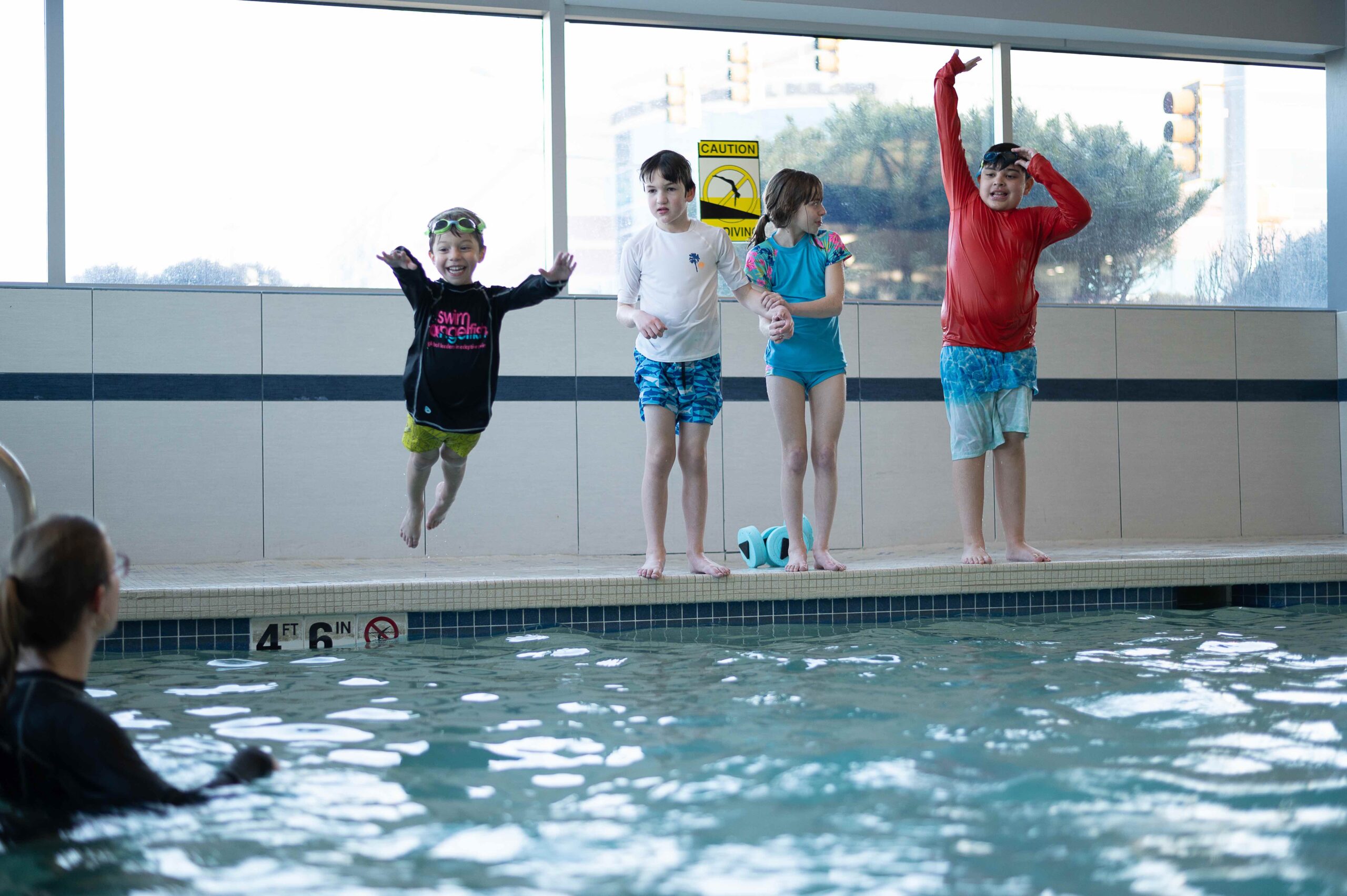
For some swimmers with disabilities or special needs, full independence may not always be achievable — and that’s okay. The goal is to help them be as independent as possible by adapting techniques, equipment, and support strategies to their individual needs. These adaptations allow swimmers to feel empowered, capable, and free, and they gain confidence as they practice being independent in ways that work for them.
Even as swimmers gain independence, direct supervision by an instructor or lifeguard remains essential to ensure safety and provide support when needed.
Independence is the key to improving safety and prepares swimmers in case they are ever in a water emergency. Practicing these skills in lakes, oceans, rivers and pools will help them know what to do to keep themselves safer.
Without independence, swimmers may plateau, remain overly dependent on instructors, equipment or develop fear and frustration that slows progress. We recommend that instructors use equipment for a few minutes to support a simmers confidence and then fade it away.
Common Independence Challenges Some Kids Face
Achieving water independence can be difficult for some swimmers, and understanding the challenges they face is key to helping them succeed. Common factors include:
Recognizing these barriers allows instructors to adapt techniques, equipment, and support strategies to each swimmer’s unique needs, creating a learning environment where they can feel confident, safe, and free while building independence.
The Swim Whisperers® Approach to Independence
Promoting water independence is a central Area of Focus of the Swim Whisperers® Method. Every swimmer is unique, and independence develops differently depending on their individual strengths, challenges, and needs. The Swim Whisperers® Method identifies 14 common roadblocks that can impact a swimmer’s ability to be independent — from fear, sensory sensitivities, or low confidence to coordination, strength, or motivation. Understanding and identifying these roadblocks allows instructors to tailor lessons and strategies for each swimmer.
Key Swim Skills That Support Independence
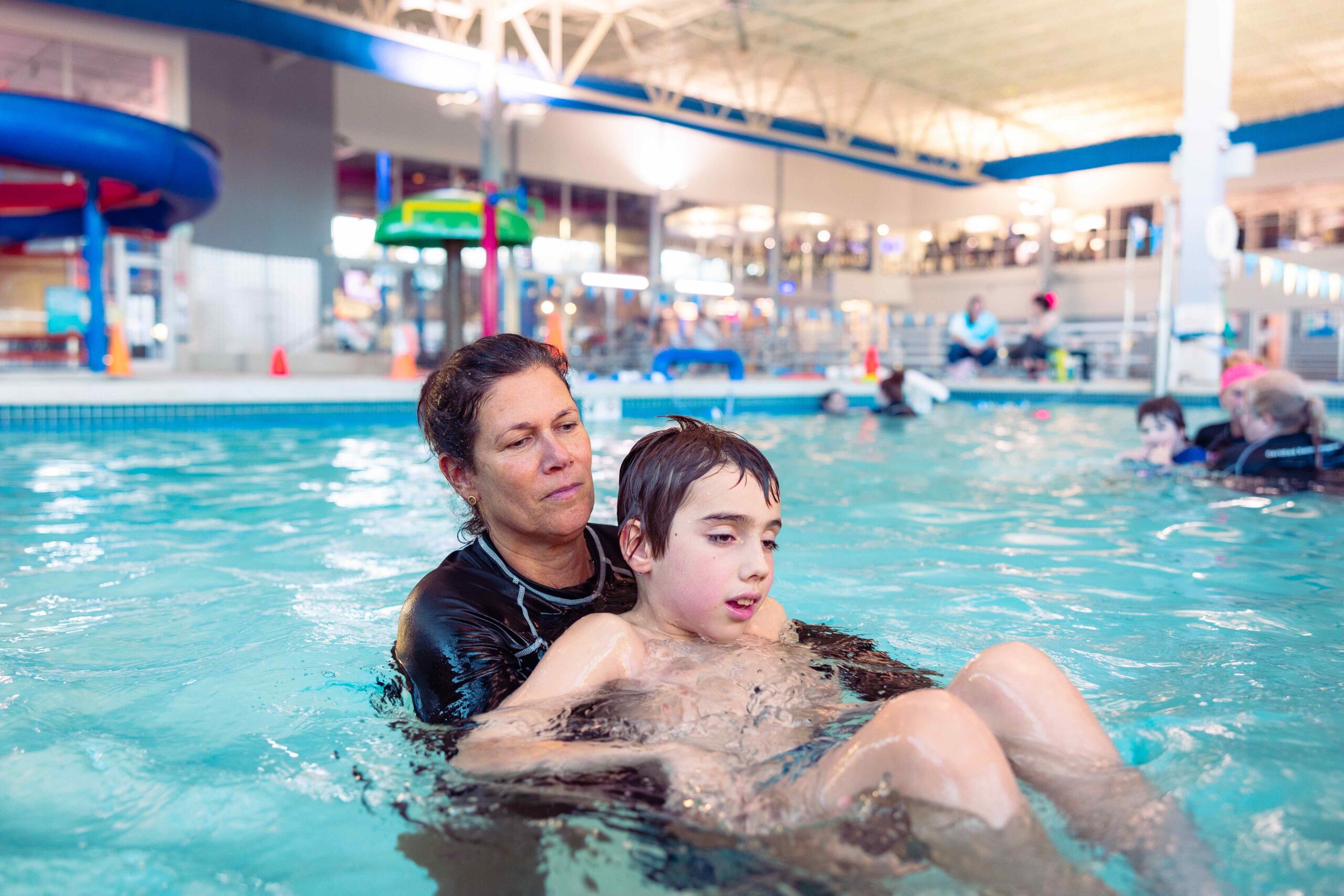
While each swimmer’s path will be individualized, our method shows you how to adapt your teaching approach to support foundational swim skill acquisition, which in turn promotes safety and confidence:
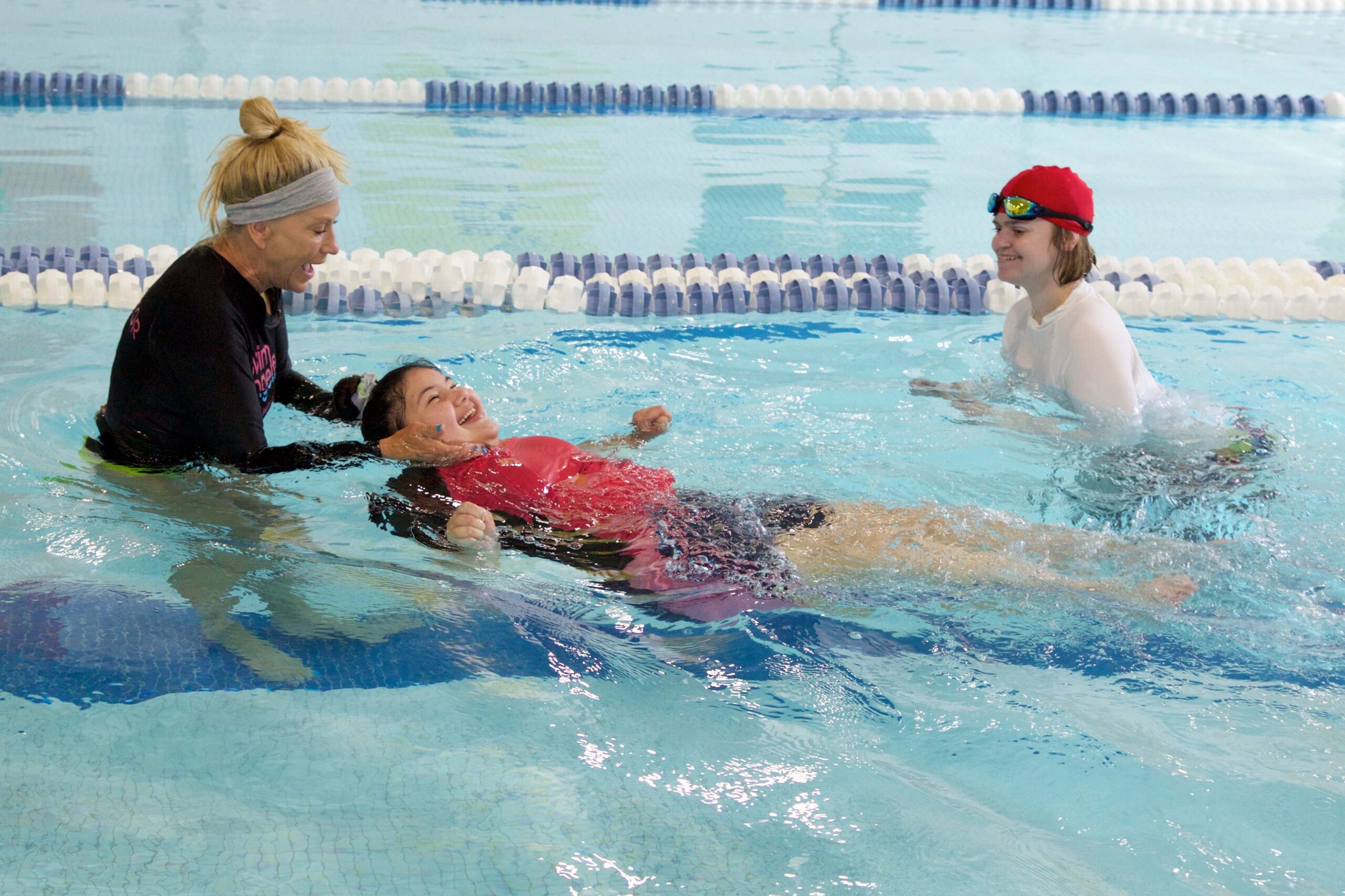
While swimmers are practicing foundational skills like rollovers, floating, and edge-holding, direct supervision is a must and ensures they can explore independence safely.
By using the Swim Whisperers® method and combining these strategies, instructors help swimmers develop skills, confidence, and self-regulation simultaneously, empowering each swimmer to feel capable, safer, and more free in the water. The approach ensures that independence is always built around the swimmer’s unique profile, not a one-size-fits-all expectation.
In our certification program, instructors will learn space management skills to empower swimmers to explore safely, without flotation devices, under guidance and arms length supervision.
How the SW Method Builds Independence
By combining these strategies, instructors help swimmers develop skills, confidence, and self-regulation simultaneously, enabling each swimmer to feel capable, safe, and free in the water.
The approach ensures that independence is always built around the swimmer’s unique profile, not a one-size-fits-all expectation.
Help Every Swimmer Gain Independence with the Swim Whisperers® Certification
Every swimmer deserves to feel confident, capable, and independent in the water — especially those with ADHD, autism, disabilities, special needs, or sensory sensitivities. The Swim Whisperers® Certification equips instructors with the strategies, assessments, and tools to identify and overcome roadblocks to promote more independence safely and effectively.
By completing the certification, instructors learn how to:
- Recognize the 14 common roadblocks that impact independence.
- Adapt teaching approaches to each swimmer’s unique needs.
- Build foundational skills like rollovers, edge-holding, and self-propulsion.
- Promote confidence, safety, and engagement in every lesson.
Help every swimmer you teach feel capable, confident, and free in the water — with the Swim Whisperers® Certification.