Guide to Hands-On Support for Sensory-Sensitive Swimmers
Have you ever worked with a swimmer who doesn’t let you assist them with a swim skill — even when support is important for safety or skill development? You’re not alone. This common challenge is a key focus area within our comprehensive Adaptive Swim Whisperers® Certification program.
Discover how to support swimmers with sensory sensitivities who may resist physical guidance, prompting or equipment. You’ll learn why these challenges occur and find three practical strategies to help swimmers feel safe, confident, and successful in the water.
Understanding Sensory Sensitivities in Swimmers
Many swimmers experience touch sensitivity, also referred to as tactile defensiveness or hypersensitivity.
This can show up in various ways: a swimmer may not want to be assisted by an instructor, may avoid certain equipment because of its texture, size, or appearance, or may feel overwhelmed when physical cues are introduced unexpectedly.
These reactions can range from subtle withdrawal or resistance to more noticeable avoidance behaviors. It’s important to understand that these responses are not deliberate avoidance — they are simply how the swimmer’s nervous system is processing sensory input.
Recognizing and respecting these sensitivities helps instructors create a safe, supportive, and effective learning environment.
Balancing Guidance and Sensory Needs
Providing support while respecting sensory sensitivities is a key skill for instructors — to ensure proper body position, offer cues, maintain safety, or help swimmers use equipment such as noodles, dumbbells, or flippers.
When sensory sensitivities and instructional needs collide, it can create tension for both the swimmer and the instructor.
Understanding why this tension exists — and how to navigate it with respect and intention — is what transforms good instructors into great ones!
When Hands-On Support Isn’t Working — Watch This
The video below shows what it looks like to adapt your approach when a swimmer resists physical prompting or equipment. These strategies prioritize regulation, choice, and trust, while still supporting safety and skill development.
Why Physical Guidance Can Be Challenging
This tension arises because instructors and swimmers have different needs in the water.
Swimmers with sensory sensitivities may feel overwhelmed or uncomfortable when physical guidance is applied or when they are asked to handle equipment, even with the best intentions. In some cases, these sensations can feel “uncomfortable to them, as their nervous system is highly sensitive to touch or pressure.
Instructors, on the other hand, need to provide support for positioning, skill development, and safety.
Recognizing that both perspectives are valid allows instructors to approach lessons thoughtfully, using strategies that respect the swimmer’s comfort while still meeting instructional goals.
3 Strategies for Supporting Swimmers Who Resist Guidance or Handling Equipment
We share three practical strategies to support swimmers who do not want to be physically assisted or prompted during lessons.
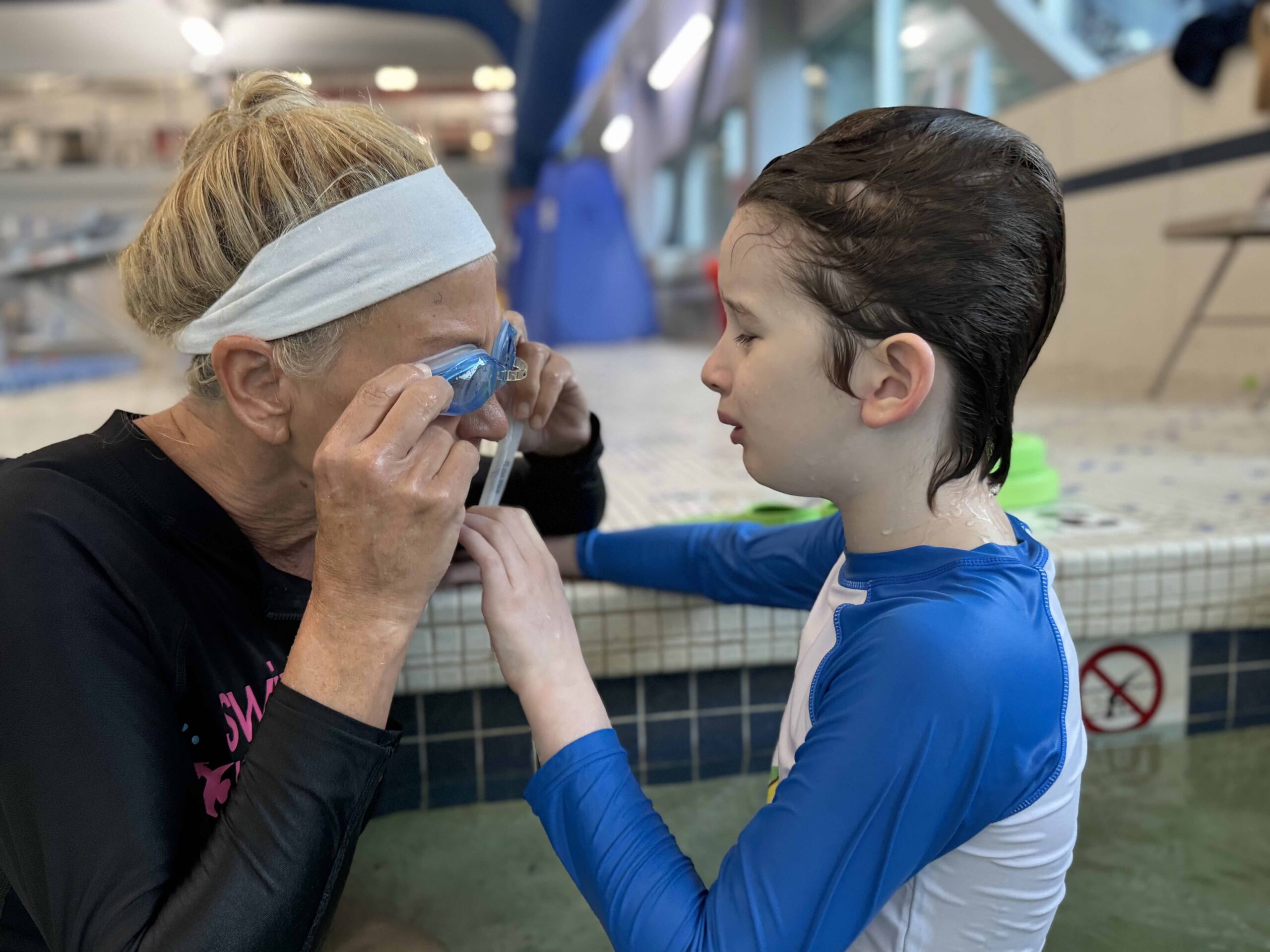
1. Let the Swimmer Initiate Contact
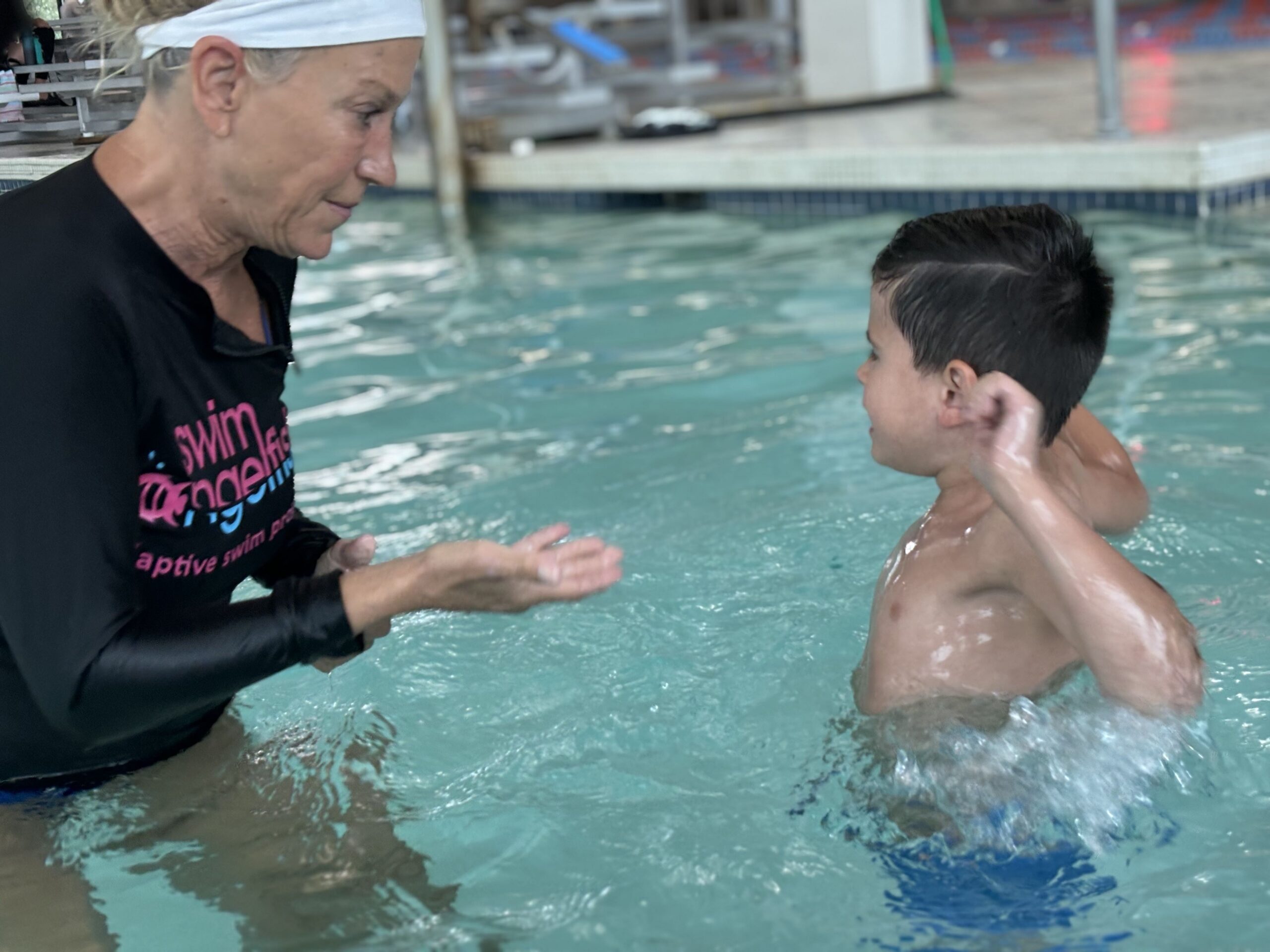
Whenever possible, invite the swimmer to engage first. For example, you might ask them to hold your hands, shoulders, or arms while you guide them through a skill.
When the swimmer initiates contact rather than having guidance imposed on them, it often feels more comfortable and more predictable. This approach can significantly reduce stress for swimmers with sensory sensitivities and builds trust while still allowing you to provide support.
2. Incorporate a Sensory Warm-Up
A sensory warm-up helps prepare the swimmer’s body and nervous system before introducing physical guidance.
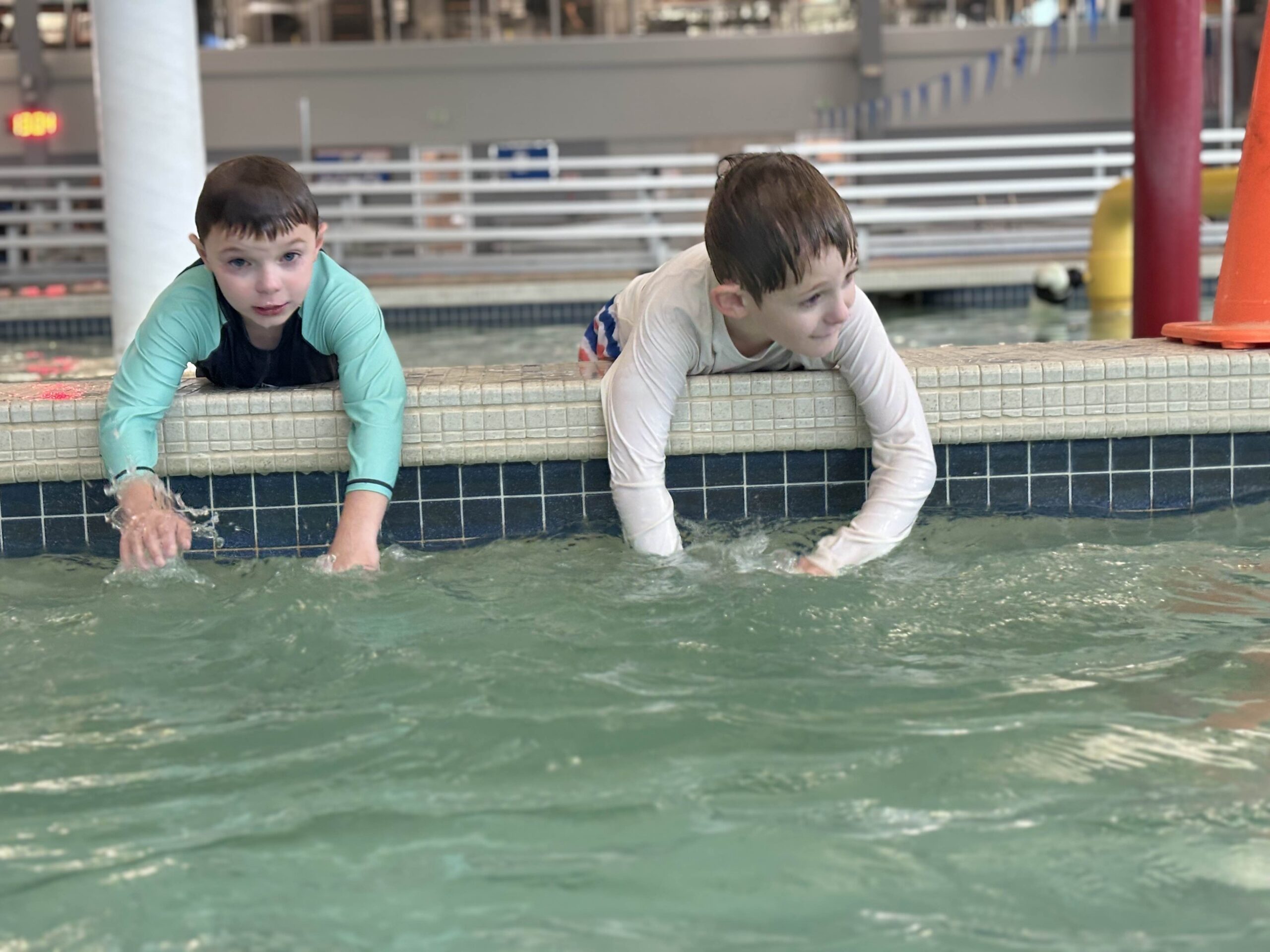
This might include:
These activities can help regulate sensory input and gently desensitize the body, making it easier for the swimmer to accept guidance during the lesson.
3. Use a Visual Schedule to Reduce Anxiety
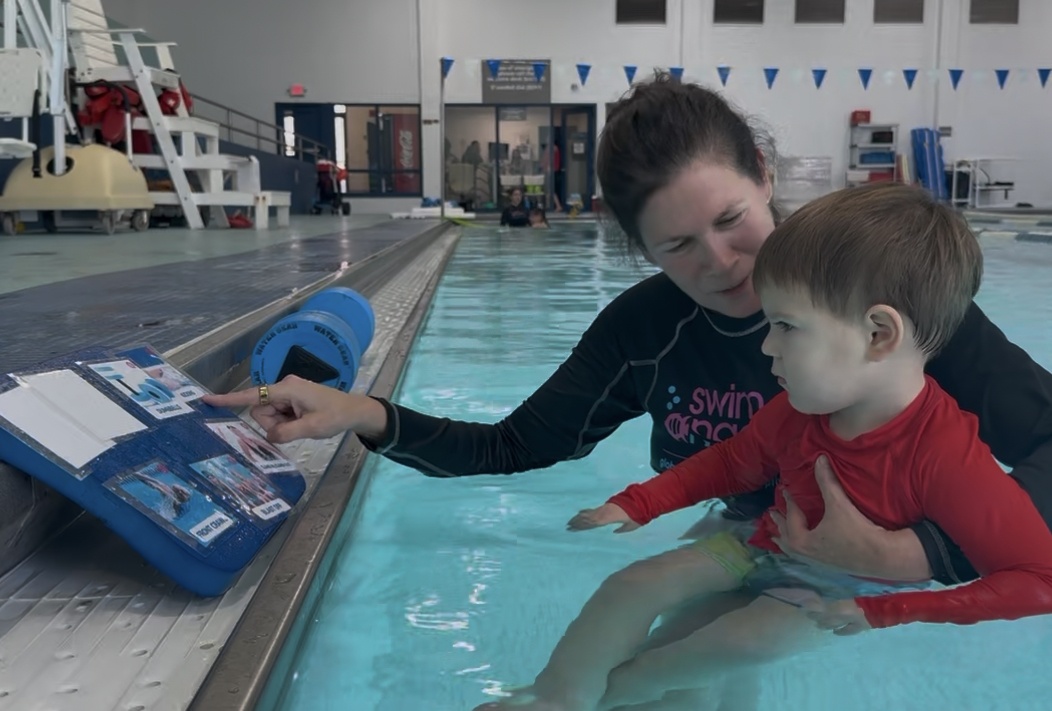
For swimmers who are anxious or sensitive about receiving physical support, predictability is powerful. A visual schedule allows you to show the swimmer what activities are coming up and when guidance may be used.
By preparing them ahead of time (and explaining how you will assist them beforehand) helps reduce uncertainty and gives the swimmer a sense of control. This often leads to greater cooperation and confidence during the lesson.
Take a Deeper Dive With Us
When swimmers resist physical guidance, they are communicating important needs for their comfort. Learning to interpret these signals — rather than push past them — is essential for long-term progress.
Our multi-level Adaptive Swim Whisperers® Certification is designed to support, guide, and educate instructors on overcoming common obstacles like providing guidance to sensory-sensitive swimmers, so swimmers of all abilities can achieve meaningful, lasting swim success.
Join us and learn how to transform challenges into connection — and potential into progress.